UPDATE: Africa has issued a strong condemnation of the abduction of Venezuelan President Nicolas Maduro following a military raid in Caracas that resulted in the deaths of several dozen civilians. This urgent response comes amidst a backdrop of international tension and highlights the continent’s stance against perceived violations of sovereignty.
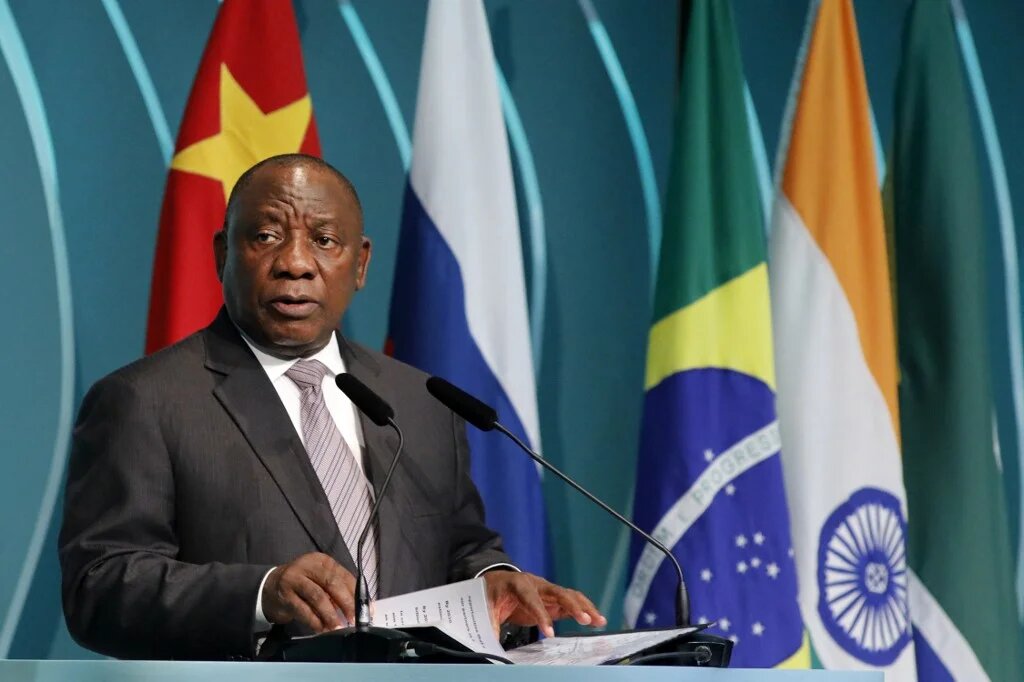
Just announced: The South African government declared on January 5, 2024, that “military invasions against sovereign states only produce instability and exacerbate crises.” This statement marks a significant moment as it joins a chorus of condemnation from various Latin American nations, including Colombia, Brazil, and Chile.
As the world grapples with current conflicts in Gaza and Sudan, Africa’s response underscores a refusal to remain silent on global destabilization. The Namibian Ministry of International Relations echoed this sentiment, expressing shock over Maduro’s capture and labeling it a “violation of Venezuela’s sovereignty and international law.”
Notably, the African Union (AU) has also expressed “grave concern” regarding the events in Venezuela, indicating a growing awareness among African nations of their role in international affairs.
While the condemnations from Africa may not directly alter the situation in Venezuela, they symbolize a shift in global dynamics. The responses stand in stark contrast to the tepid reactions from some Western governments. For instance, the Prime Minister of a prominent Western nation stated he would seek to discuss the matter with the U.S. President before commenting further.
The diplomatic backlash from African nations, including Burkina Faso, Chad, and Ghana, reflects a broader concern about the implications of U.S. interventions worldwide. The gravity of these statements signals a potential erosion of Western authority in global politics.
This condemnation resonates deeply in the context of past U.S. interventions, which have often been framed as necessary for security. African leaders are acutely aware of the historical consequences of such actions. The current situation serves as a reminder of the need for solidarity among nations facing similar challenges.
As international discussions unfold, the implications of Africa’s stance on Venezuela could pave the way for a more united front against unilateral military actions. The political ramifications may extend beyond Venezuela, influencing how global powers navigate future conflicts.
What’s next? Observers will be keenly watching how this situation develops and whether African nations will continue to rally against perceived injustices on the global stage. The urgency of the matter compels a collective reflection on international norms and the consequences of interventionist policies.
In a world where the balance of power is shifting, Africa’s vocal opposition to Maduro’s abduction may signify a new chapter in the continent’s engagement with global governance. As these developments unfold, the broader implications for international relations remain to be seen.