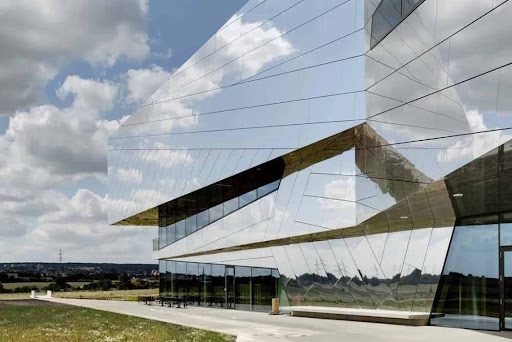
UPDATE: Architectural metal cladding systems are revolutionizing modern construction as of July 2023, providing unmatched durability and aesthetic flexibility that architects and builders crave. This emerging trend is making headlines worldwide, transforming how structures are designed and built.
Architectural metal cladding is rapidly gaining traction for its ability to meet today’s evolving architectural needs. This innovative material not only enhances a building’s appearance but also offers cost-effective solutions for maintaining structural integrity across various environments. As architects push the boundaries of design, the integration of metal cladding is becoming essential.
The benefits of architectural metal cladding are extensive. With a range of finishes, colors, and forms, designers can create unique visual identities for their projects. Brushed, mirror, matte, and perforated finishes add dynamic appeal, allowing for creative expression that meets contemporary architectural principles. For instance, laser cutting and embossing techniques bring intricate details to life, enhancing the overall aesthetic and performance of buildings.
Moreover, architectural metal cladding is engineered for superior durability. It resists corrosion, impacts, and extreme weather, ensuring that the structural and aesthetic qualities remain intact over time. This longevity significantly reduces the need for replacements, cutting down on long-term maintenance costs and making it a financially sound choice for builders.
Metal cladding also boasts a lightweight structure without compromising strength. This feature is particularly advantageous for high-rise buildings and renovation projects, as it reduces the dynamic stress on primary structures. With easier transportation and installation, construction timelines are accelerated, allowing projects to be completed more efficiently.
In terms of building performance, architectural metal cladding plays a crucial role in energy efficiency. It enhances thermal performance, moisture control, and ventilation, ultimately leading to sustainable buildings that provide comfort to occupants. Metal cladding systems can be seamlessly integrated with insulation layers, stabilizing indoor temperatures and reducing heating and cooling requirements.
Furthermore, the environmental impact of architectural metal cladding is noteworthy. Materials like aluminum, steel, and copper are recyclable, which supports sustainable building practices and aligns with green building certifications such as LEED and BREEAM. This commitment to sustainability is reflected in reduced lifecycle impacts, making metal cladding a responsible choice for future developments.
Maintenance is another area where architectural metal cladding excels. Its resistance to dirt, stains, and corrosion means that buildings maintain their aesthetic appeal with minimal upkeep. A simple wash is often all that is needed to keep facades looking pristine over the years, translating to significant cost savings for building owners.
The versatility of metal cladding systems cannot be overstated. Designers can choose from a variety of materials to meet functional, aesthetic, and budgetary needs. Whether opting for lightweight aluminum or the high-end look of copper, the adaptability of metal cladding systems allows for innovative architectural designs that stand the test of time.
Precision fabrication technology, such as CNC methods, ensures that panels are cut, bent, and shaped to fit any design requirement flawlessly. This not only reduces material waste but also guarantees uniform quality across projects, streamlining installation.
The impact of architectural metal cladding on the construction industry is profound. As architects and builders prioritize durability, visual diversity, and sustainability, metal cladding systems are emerging as the go-to solution for modern architecture. The shift towards these materials represents a significant step forward in building practices, promising a future of efficient and aesthetically pleasing designs.
Stay tuned as we continue to monitor the developments in architectural metal cladding and its growing influence in construction worldwide.