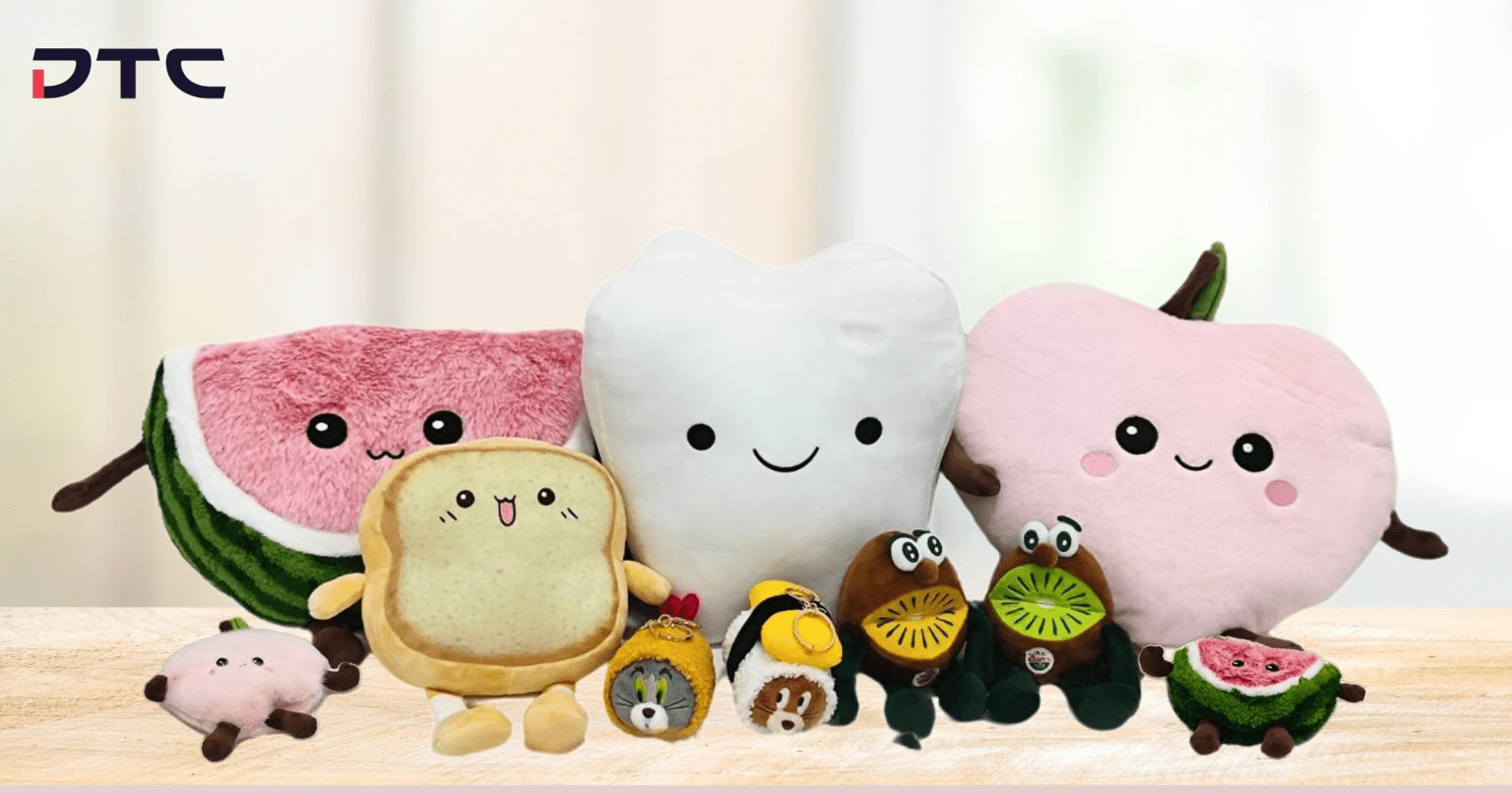
URGENT UPDATE: Artists are transforming beloved 2D mascots into lifelike plushies, leveraging cutting-edge science and engineering to create collectibles that fans can truly embrace. This exciting development is redefining the plushie industry, offering unique insights into the psychological appeal of these comforting toys.
The key to this plushie revolution lies in a concept known as Kindchenschema, which describes the irresistible traits that trigger our instinct to protect and adore. Features like big heads, round eyes, tiny noses, and chubby proportions are crucial, as seen in characters like Kirby, Grogu, and Pusheen. However, translating these features into 3D plushies is a complex challenge.
Designers face the “Standing-Up Problem,” needing to incorporate hidden engineering elements such as weighted bases and internal stabilizers to ensure that plushies maintain their shape and don’t topple over. This precision engineering is why official plushies feel just right, while cheaper knockoffs often fall flat.
The process begins with intricate pattern engineering, akin to 3D printing but with fabric. Each character is dissected into components—body, head, limbs, and accessories—requiring meticulous attention to detail. Even a minor deviation of a few millimeters can distort the final product, leading to a loss of likeness.
Premium plushies utilize high-quality materials like minky for its softness, crystal velvet for a luxurious shine, and faux fur to evoke nostalgia for retro mascots. A growing trend involves mixing textures, incorporating gradient fabrics and embroidery patches for unique, collectible plushies.
While creating these plushies, safety and durability are paramount. High-end manufacturers conduct rigorous strength tests on seams, ensure hypoallergenic stuffing, and avoid detachable small parts. This diligence assures fans that their cherished plushies can withstand years of love—from boss fight squeezes to everyday adventures.
Ethical production is also increasingly vital. Today’s fans demand plushies made in facilities adhering to fair labor practices and sustainable material sourcing. This commitment resonates particularly with eco-conscious consumers, adding another layer of emotional investment in their purchases.
The relationship between plushies and the fear of missing out (FOMO) is undeniable. Limited-edition releases, such as the Quby Blind Boxes and exclusive Disney plush lines, create intense demand, leading to unboxing videos and resale market surges. Fans are not merely buying toys; they are investing in their fandom identity.
As creators and brands work to bring characters to life, professional custom plush partners play a crucial role. They manage character interpretation, material selection, quality control, and compliance with safety standards. The coordination required to transform a character into a beloved plush is extensive, and the stakes are high.
In summary, the science of cuteness is becoming an art form, with fans desiring plushies that are not just toys but emotional connections. The industry is evolving to meet this demand, ensuring that every stitch honors the character’s original essence. As this trend continues to gain momentum, those hoping to see their creations become plushies must collaborate with experienced manufacturers to guarantee quality and authenticity.
Stay tuned for the latest updates as this fascinating intersection of art, science, and fandom continues to unfold. Your favorite characters could soon be huggable reality!