URGENT UPDATE: New research highlights that engaging in the arts could significantly improve your mental and physical health in 2026. Experts are urging individuals to embrace creativity as a fundamental element of well-being, as mounting evidence links artistic activities to reduced symptoms of anxiety, depression, and stress.
Studies reveal that a staggering 95% of US adults reported spending zero time engaging in creative activities daily. This alarming statistic indicates a widespread neglect of a powerful tool that could enhance mental health. Authorities confirm that regular participation in arts—such as music, dance, and crafts—can dramatically lower the risk of developing depression, independent of socio-economic status, lifestyle, and even genetics.
The scientific community is now emphasizing the need for a creative renaissance. Randomized trials have shown that individuals involved in cultural activities demonstrate nearly 50% lower risk of depression. Furthermore, integrating creative therapies like music therapy with traditional treatments can nearly double recovery rates from depressive symptoms.
Why It Matters NOW: The arts are not just a luxury; they’re a necessity for mental and physical well-being. Engaging with artistic endeavors activates pleasure centers in the brain, releasing mood-boosting hormones like dopamine. This neurological response is crucial for regulating emotions and managing life stresses, making the arts a vital component of a healthier lifestyle.
Recent findings also indicate that arts engagement can enhance cognitive reserve, meaning that individuals who regularly partake in cultural activities show slower cognitive decline as they age. This resilience against mental deterioration is essential, especially as the population ages and dementia rates rise.
For those looking to boost their mood and overall health, experts recommend five actionable steps:
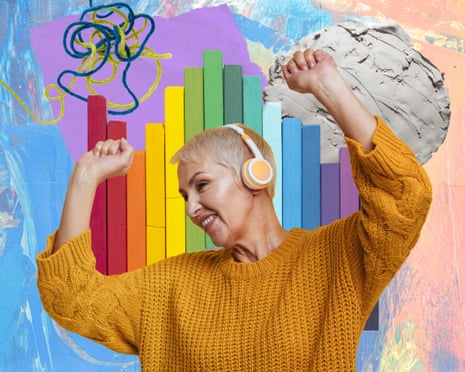
1. **Incorporate Music and Literature**: Start your day with a favorite song instead of a standard alarm, and swap mindless scrolling for a captivating novel during commutes. Just 30 to 60 minutes a week of engaging in these activities can yield positive changes in your mental health within six weeks.
2. **Explore Personal Creativity**: Identify unfulfilled psychological needs and select hobbies that cater to them. Whether it’s drawing or learning a musical instrument, finding a creative outlet can instill a sense of control and mastery.
3. **Attend Art Exhibitions Mindfully**: Spend time genuinely observing art rather than rushing through. Research shows that spending just 10 seconds on each piece can enhance emotional engagement and connection.
4. **Use Music for Exercise**: Sync your workouts to motivational music. Studies confirm that exercising to upbeat tunes can improve physical performance by up to 20%, enhancing both enjoyment and efficiency.
5. **Reclaim Play**: Allow yourself to engage in imaginative activities, such as themed parties or festivals. This practice promotes mental flexibility and adaptability, crucial in navigating life’s uncertainties.
Experts affirm that the arts are a legitimate path to better health, comparable to a breakthrough medication. As we approach 2026, it’s crucial for individuals to recognize the transformative power of creativity.
In conclusion, embracing the arts can lead to significant health improvements. As Daisy Fancourt states in her new book, Art Cure: The Science of How the Arts Transform Our Health, the arts could indeed save lives.
For more information on this groundbreaking research, consider supporting the Guardian and ordering a copy of Fancourt’s enlightening work at guardianbookshop.com. Don’t miss out on the opportunity to enhance your life through creativity!