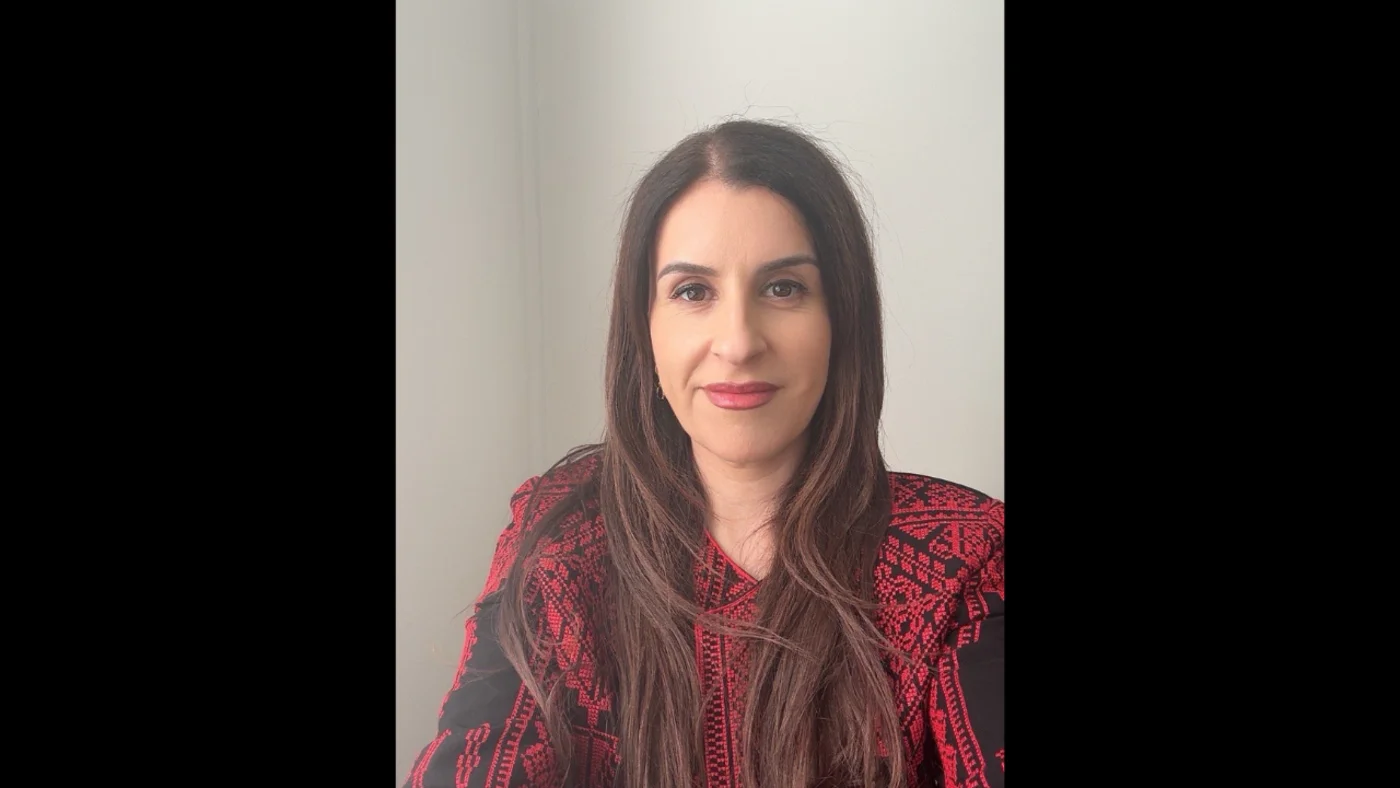
UPDATE: The Adelaide Festival, one of Australia’s largest arts events, has just canceled its highly anticipated writers’ week following a massive boycott by over 180 authors. This dramatic decision comes after the festival disinvited prominent Palestinian-Australian author, Randa Abdel-Fattah, sparking intense backlash and controversy.
In a statement released on Tuesday, the festival’s board expressed regret, stating their actions have “created more division” and announcing that three remaining board members would step down. This follows the resignation of four board members, including the festival’s chair, just days prior. The board apologized to Abdel-Fattah, acknowledging the misrepresentation of their decision.
Abdel-Fattah, who is also a fellow at Macquarie University, condemned the festival’s choice as a “blatant and shameless act of anti-Palestinian racism.” She has been vocal about her rejection of the board’s rationale, which linked her disinvitation to a recent antisemitic attack during a Hanukkah celebration in December, where 15 people were killed.
The festival faced immediate fallout as high-profile authors, including former New Zealand Prime Minister Jacinda Ardern, Percival Everett, Zadie Smith, and former Greek Finance Minister Yanis Varoufakis, withdrew in solidarity. Public calls for a boycott surged across social media platforms, significantly impacting the festival’s reputation.
In her response, Abdel-Fattah stated, “It is clear that the board’s regret extends to how the message of my cancellation was conveyed, not the decision itself.” She emphasized that her disinvitation was a targeted action against her identity as a Palestinian Australian Muslim woman, further denouncing the board’s framing of the issue within a national discourse that excludes her perspective.
The Adelaide Festival board clarified that their decision was not about identity or dissent but rather a reflection of the ongoing shifts in Australia’s dialogue surrounding freedom of expression, intensified after the nation’s worst terror attack. However, critics argue that linking Abdel-Fattah’s work to the tragedy is both misleading and harmful.
Abdel-Fattah’s contributions to literature and social discourse include award-winning novels and extensive research on issues like Islamophobia and social activism. She previously boycotted another literary festival in 2025 over censorship concerns, indicating a pattern of resistance against restrictions on free expression.
As the fallout continues, the festival’s cancellation raises critical questions about artistic freedom and the boundaries of discourse in Australia. The future of the Adelaide Festival remains uncertain, with many watching closely to see how this situation unfolds.
NEXT: With the festival now canceled, the focus shifts to the broader implications for artistic expression in Australia and how similar events will navigate the complexities of cultural sensitivity and freedom of speech moving forward.