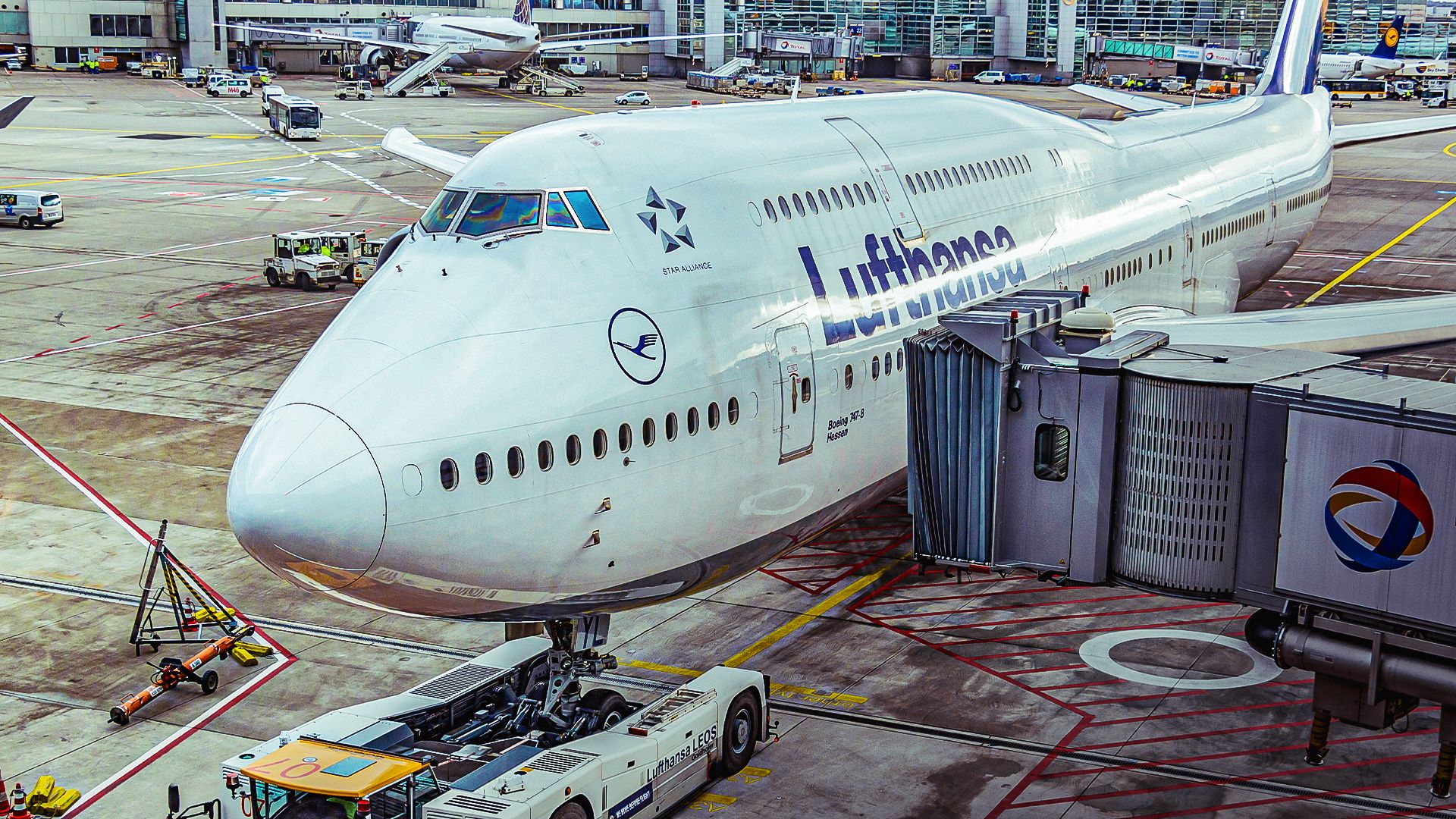
UPDATE: The hidden crew rest areas of the Boeing 747-8 are gaining attention as airlines tackle the challenges of ultra-long-haul flights. With some journeys lasting upwards of 14 hours, ensuring that flight crews receive adequate rest has never been more critical.
As airlines expand their long-haul offerings, the need for crew rest areas becomes paramount. These secluded spaces, unknown to most passengers, are designed to provide flight crews with the necessary downtime to remain alert and safe during extended flights. Recent reports highlight how the Boeing 747-8 features dedicated compartments that allow pilots and attendants to rest comfortably, often hidden behind secure doors away from passenger access.
The Boeing 747-8, known as the “Queen of the Skies,” has been a cornerstone of long-haul travel since its introduction. Launched by Lufthansa in 2012, this aircraft has been pivotal in connecting global hubs, with routes like the 13-hour, 45-minute flight from Frankfurt to Buenos Aires and the astonishing 14-hour, 30-minute journey from Seoul-Incheon to Atlanta.
Inside the 747-8, the crew rest areas are more than just a luxury; they are a regulatory requirement. Aviation safety rules mandate that crews must have a place to lie down and sleep on flights exceeding 10–12 hours. The pilot compartment features two horizontal bunks equipped with bedding, lighting, and airflow controls, ensuring pilots can recharge away from the noise of the cabin.
Flight attendants benefit from larger rest areas located at the rear of the main deck. These spaces are built with safety and fatigue management in mind, allowing crew members to take critical breaks during ultra-long-haul flights.
While some aircraft, like the Boeing 737 and Airbus A320, lack dedicated rest areas, the 747-8 sets a higher standard. The aircraft’s design includes advanced features such as noise insulation and climate control, which are becoming essential as regulatory requirements evolve.
As airlines look to the future, the focus is shifting towards enhancing crew sleep quality and fatigue management. Innovations such as circadian-friendly lighting and smart monitoring systems for sleep quality are set to revolutionize how crew rest areas are designed and utilized.
In summary, the significance of crew rest areas on the Boeing 747-8 cannot be overstated. They are an integral part of ensuring safe operations on long-haul flights, enabling airlines to maintain high standards of crew wellness. As the industry moves forward, these hidden spaces will remain vital, supporting the well-being of the teams that keep us connected across the globe.
Stay tuned for updates as the aviation industry continues to innovate and adapt to the demands of long-distance travel.