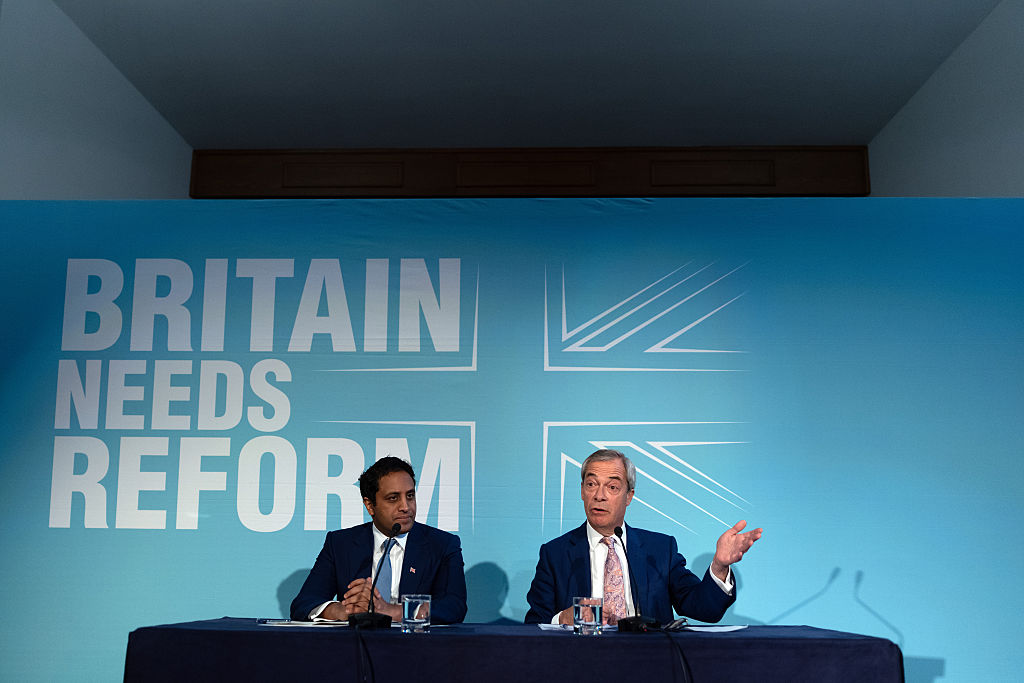
UPDATE: In a dramatic shift, both the Conservatives and Reform Party have launched a fierce attack on Labour’s Rachel Reeves, claiming she is burdening taxpayers with excessive spending. At simultaneous press conferences yesterday, they vowed to tackle what they label a “bloated Leviathan” of government spending.
Just announced: Former UKIP leader Nigel Farage highlighted the immense influence of bond markets, recalling the financial fallout faced by Liz Truss‘ government. Farage emphasized that substantial tax cuts must be matched with equivalent spending reductions—an approach he insists he will strictly adhere to moving forward.
In a bold statement, Zia Yusuf, the businessman competing with Richard Tice for the role of Reform’s shadow chancellor, outlined a series of proposed cuts aimed primarily at foreign nationals. Among these measures, he announced the abolition of Universal Credit for EU nationals and an increase in the NHS surcharge for immigrants from £1,035 to £2,718.
Yusuf further proposed significant reductions in the foreign aid budget, slashing it from £11 billion to just £1 billion—a mere 0.01 percent of GDP. He stated, “In most of the proposals that we’re announcing, the vast majority of them, it is foreign nationals who are being asked to deal with the difficult decisions and not British citizens.” This rhetoric highlights the fiscal NIMBYism that has characterized the British right, where cuts seem to impact others rather than core supporters.
The urgency of these proposals is palpable as both parties prepare for upcoming election battles. While they advocate for dramatic cuts, measures that would directly affect their bases, such as ending the state pension triple lock or means-testing universal pensioner benefits, remain untouched for now.
Interestingly, both Farage and Kemi Badenoch, the Tory leader, have lauded the radical policies of Argentine libertarian Javier Milei, who has implemented severe cuts to public expenditure. Despite celebrating his “Thatcherism on steroids” approach, they conveniently overlook that Milei’s most significant cuts—around 35 percent—have fallen on pensions.
As the UK grapples with its own fiscal challenges, the question remains: will Farage and Badenoch have the courage to implement similar measures? Badenoch hinted at a possible revolution in policy direction, stating, “We may have to do something really revolutionary, that’s what we’re working on.”
The true test of leadership will lie in whether they are willing to confront deeply entrenched spending habits, especially considering that the triple lock has already cost around £15.5 billion by 2029-30.
As political tensions rise, citizens are watching closely. The urgency of fiscal reform is at the forefront of national conversation, with significant implications for taxpayers across the UK. What happens next could redefine Conservative and Reform strategies as they approach the next election cycle.
Stay tuned for further updates as this story develops.