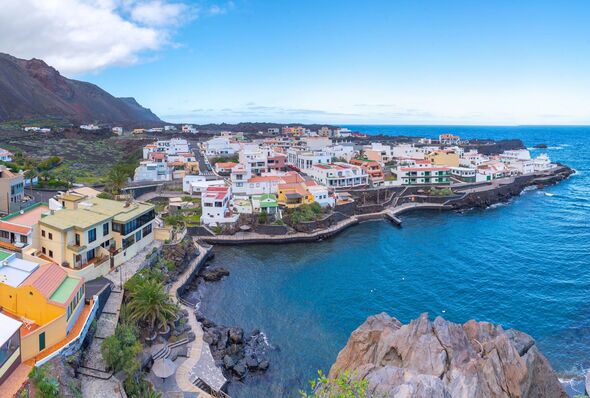
UPDATE: El Hierro, the smallest island in the Canary archipelago, is emerging as a sanctuary from the overtourism crisis affecting its neighbors. Recent reports by Fodor’s Travel have placed several Canary Islands on their ‘No List’ for 2026, citing the overwhelming impact of tourism on local communities and fragile ecosystems.
As tourist numbers soar, with over 2 million visitors reported in Lanzarote during the first half of 2025 and 670,000 in Tenerife just in March, El Hierro remains untouched by the mass influx. This lesser-known gem attracts only 20,000 to 30,000 tourists annually, allowing it to preserve its stunning landscapes and tranquil lifestyle.
The island, known for its dramatic cliffs and unique volcanic geography, is the most westerly and youngest in the Canary Islands, having formed just over 1.2 million years ago. Its limited accessibility—domestic flights only from mainland Spain—has helped maintain its charm. El Hierro’s airport lacks direct international services, which keeps tourist numbers low compared to its bustling counterparts.
Davinia Suárez Armas, El Hierro’s tourism and transport director, emphasized the island’s commitment to sustainable growth:
“We want to increase tourism and continue to improve the island’s standard of living, but not to the detriment of the residents’ quality of life or the island’s natural resources.”
This statement underscores the delicate balance between economic benefit and environmental preservation.
El Hierro is not just a place for quiet retreats; it is also a UNESCO Biosphere Reserve and Geopark, featuring the unique Sabinar juniper trees and the rediscovered El Hierro Giant Lizard. Visitors can explore its natural pools, known as “Charcos,” formed by volcanic activity, and hike challenging trails like the Camino de Jinama, which ascends over 2,600 feet for breathtaking views of El Golfo valley.
With February temperatures averaging between 17°C and 19°C and around seven hours of sunshine daily, El Hierro promises an ideal winter getaway. However, despite its allure, the island’s tourism authorities are focused on maintaining its unique culture and lifestyle, inviting visitors to experience its peaceful way of life without overwhelming its resources.
As mass tourism continues to strain other Canary Islands, El Hierro stands as a beacon of sustainable travel and conservation. The world is watching as this hidden gem navigates its path toward responsible tourism. What happens next could redefine how smaller destinations manage growth and protect their natural heritage.