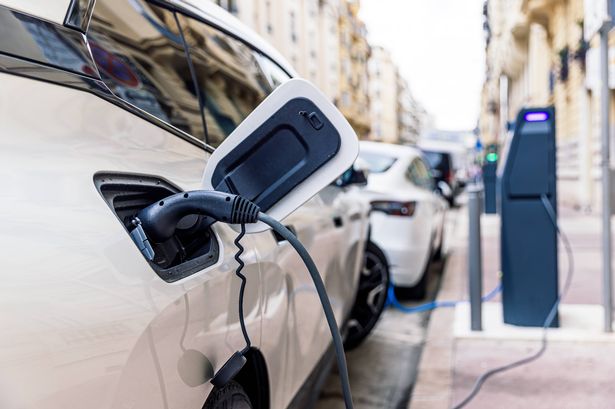
URGENT UPDATE: Electric vehicle (EV) drivers are set to face a significant financial shift, with a new pay-per-mile charge of £243 anticipated starting in April 2028. This announcement follows the recent Budget confirmation and is expected to affect the average annual mileage for EVs, currently estimated at 8,116 miles.
According to MoneySuperMarket, the new tax structure will impose a charge of 3p per mile on fully electric cars and 1.5p per mile on plug-in hybrids. This change raises immediate concerns for EV owners, particularly as they navigate the financial implications of ownership.
Kara Gammell, a personal finance and car insurance expert at MoneySuperMarket, states, “While this new tax may feel like a setback for many electric vehicle drivers, it’s important to keep the bigger picture in mind. EVs are still projected to have lower running costs compared to petrol and diesel cars.”
Currently, petrol and diesel vehicle owners pay approximately £600 annually in fuel duty. In contrast, the projected £243 annual charge for EVs is less than half that amount, suggesting that owning an electric vehicle may still be more economical in the long run.
The impending tax has sparked discussions among potential buyers and current EV owners. With insurance costs for electric cars having decreased by £137 since March 2025, bringing the average premium down to £587, many view this as a favorable shift. Gammell emphasizes, “This brings EV insurance costs almost in line with petrol and diesel vehicles, which is a positive step for those considering the switch.”
As the pay-per-mile system rolls out in 2028, drivers are encouraged to utilize MoneySuperMarket’s new electric pay-per-mile calculator. This tool allows users to estimate their potential annual charges based on vehicle type and personal driving habits.
The announcement of this charge has ignited a sense of urgency among drivers who are assessing their options and preparing for potential increases in operating costs. The financial landscape for EV ownership is changing rapidly, and this news is critical for anyone contemplating a purchase or currently owning an electric vehicle.
Looking ahead, all eyes will be on how these changes impact the broader EV market and consumer choices. With ongoing developments in electric vehicle technology and infrastructure, stakeholders are urged to stay informed about future changes that could affect ownership costs.
Stay tuned for further updates on how the new pay-per-mile tax will influence the electric vehicle landscape as we approach the implementation date in April 2028.