Mold growth in homes is often attributed to moisture, poor ventilation, and cold walls. However, certain indoor plants can help regulate the microclimate and reduce the conditions conducive to mold development. While no plant can replace proper ventilation and insulation, some species effectively absorb excess moisture from the air, contributing to a healthier living space.
Spathiphyllum wallisii, commonly known as the peace lily, is one of the most recognized plants for this purpose. This elegant plant features dark green leaves and white flowers and naturally absorbs moisture through its foliage. Additionally, it filters out certain harmful substances from the air, making it a popular choice for bathrooms and kitchens—areas where condensation often accumulates.
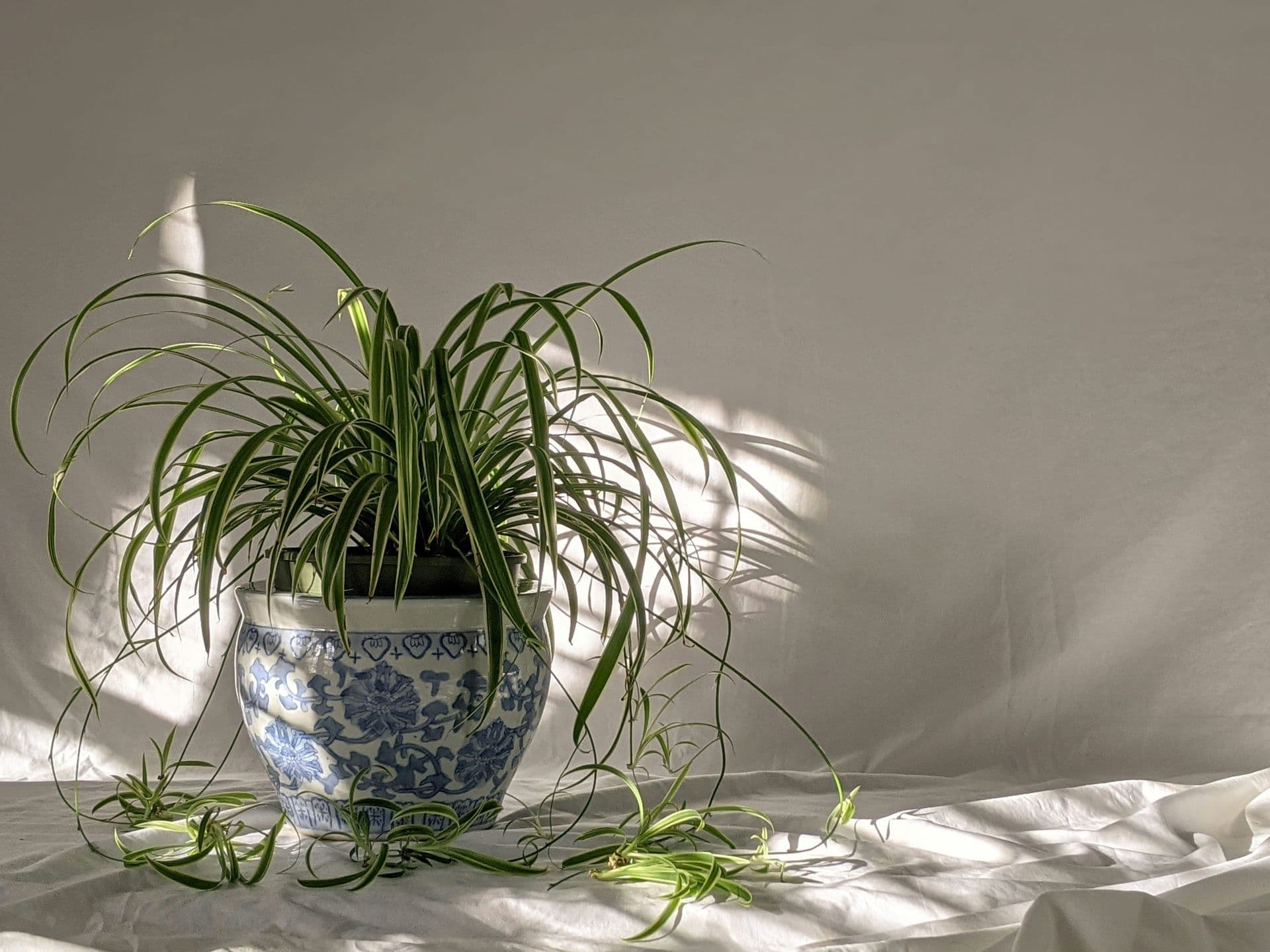
Another effective plant for managing humidity is Chlorophytum comosum, known as the spider plant. Renowned for its resilience, the spider plant adapts well to various conditions and helps reduce humidity levels in the air. Its low maintenance requirements make it a frequent choice for apartments and offices.
The Nephrolepis exaltata, or Boston fern, excels in combating excessive moisture. This plant thrives in humid environments while simultaneously regulating the air’s humidity by absorbing moisture through its lush leaves. Placing a Boston fern in a damp room can create a more stable and comfortable microclimate.
Interestingly, Sansevieria trifasciata, known as snake plant or mother-in-law’s tongue, also positively impacts air quality. While it is famous for releasing oxygen at night, this hardy plant contributes to moisture balance and requires minimal care, making it suitable for dimly lit areas.
It is important to note that while these plants can be valuable allies in preventing mold, they are not a miraculous solution. Regular ventilation, monitoring moisture sources, and maintaining appropriate temperatures remain critical steps in preventing mold growth.
By combining good habits with a carefully selected array of greenery, homeowners can cultivate a healthier environment where mold faces greater challenges in finding suitable conditions for growth.