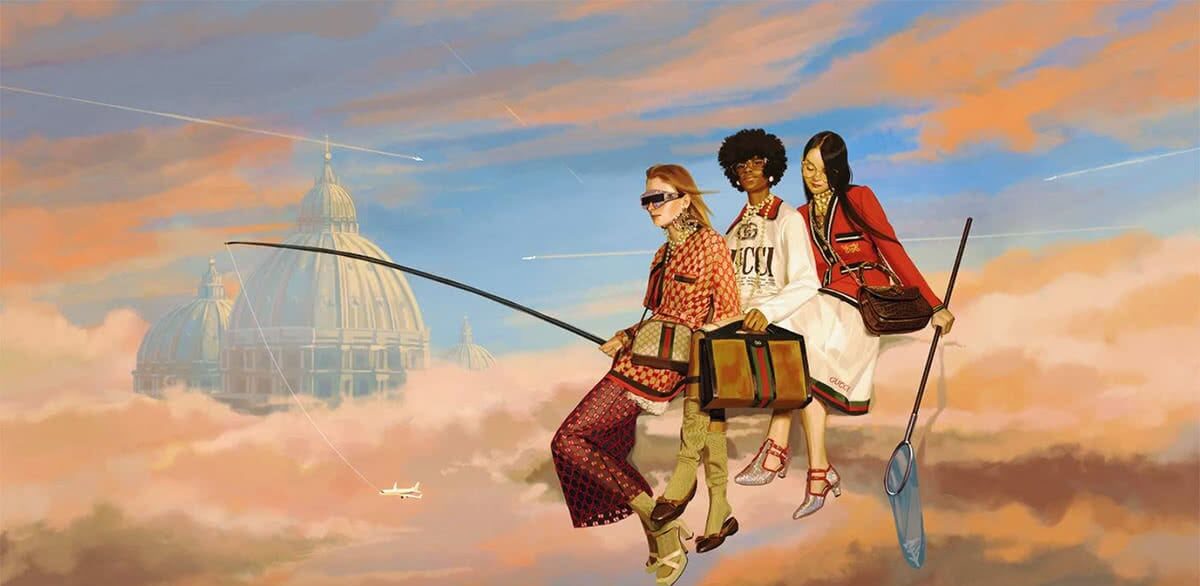
URGENT UPDATE: Luxury brands are undergoing a significant transformation, moving beyond mere opulence to embrace deep emotional connections through heritage storytelling. This shift is reshaping consumer expectations and redefining what luxury truly means in a rapidly changing market.
In a time when consumers demand authenticity, the world’s most prestigious brands are not just selling products; they are sharing rich narratives that enhance the value of ownership. The latest insights from Michelle Connolly, Founder of LuxuryLeisureAffluence.com, reveal how these brands craft compelling stories that resonate with today’s discerning buyers.
The focus on emotional investment is particularly pronounced in luxury travel accessories, where items are seen as companions on life’s memorable journeys. They are not just functional; they encapsulate adventure and sophistication, making them highly sought after. For example, the stories behind iconic brands like Louis Vuitton and Hermès link consumers to rich legacies that enrich their personal identities.
Why This Matters NOW: As consumers become more sophisticated, the demand for depth and meaning in luxury purchases intensifies. The brands that can effectively communicate their authentic stories forge strong emotional bonds with their clientele, transforming mere transactions into enduring experiences.
The evolution of heritage luxury brands also intersects with sustainability, as these brands adapt their narratives to encompass environmental consciousness. This adaptation not only enhances relevance but also honors the storied past of these iconic labels.
The psychology behind this shift is rooted in the human craving for connection. As Connolly explains, “The modern luxury consumer is more sophisticated than ever before, searching for depth beyond surface-level opulence.” This sentiment reflects a broader trend where consumers seek brands that represent shared values and histories.
Brands succeed in this competitive landscape by weaving narratives that are rich in authenticity. The stories often begin with the brand’s origins, highlighting founders like Coco Chanel and Enzo Ferrari, whose legacies continue to shape their respective brands. These narratives are filled with turning points that showcase resilience and innovation, further enhancing their appeal.
In the digital age, heritage luxury brands face the challenge of modernizing their stories while maintaining authenticity. Successful brands leverage digital platforms for immersive storytelling, utilizing virtual tours and behind-the-scenes glimpses to engage consumers deeply. Social media plays a crucial role in facilitating ongoing conversations about brand values and legacy.
The need for balance between tradition and innovation remains paramount. Brands such as Cartier and Burberry exemplify how heritage can be preserved while embracing modernity. This thoughtful evolution ensures that heritage luxury brands remain relevant for new generations, reinforcing their authenticity and distinguishing them from newer competitors.
As we look ahead, trends in heritage luxury storytelling will continue to evolve, driven by consumer expectations for meaningful connections. The most successful brands will recognize that their greatest asset lies not just in their products but in the rich narratives that accompany them.
In conclusion, this urgent shift in the luxury market underscores that true luxury is no longer about material possessions alone. It is about the stories behind those possessions—stories that connect consumers to deeper meanings and generations of tradition. Brands that successfully navigate this landscape will not only thrive but will also create cultural touchstones that resonate across generations.
Stay tuned for more updates as this developing story unfolds.