URGENT UPDATE: Montenegro has entered a critical phase of risk for journalists as alarming reports reveal a dramatic surge in threats and violence against media professionals. The Media Freedom Rapid Response (MFRR) has documented a staggering 300% increase in media freedom violations in 2025 compared to last year, marking a shocking escalation in attacks on press freedom.
According to the latest MFRR report, a total of 20 cases of media freedom violations were recorded, impacting 32 journalists and media entities. In stark contrast, just 6 cases were noted in 2024. The most prevalent form of violation involved verbal attacks, with 17 incidents reported, alongside three instances of obstruction and one legal incident. Notably, there was also one physical assault and a case of property damage.
The report highlights that half of the documented cases involved intimidation and threats, including five particularly alarming death threats primarily conveyed through social media. These threats predominantly originated from private individuals, underscoring a dangerous climate for those covering sensitive issues.
Specific incidents illustrate the gravity of the situation. Journalist Itana Kaluđerović received a chilling message on Facebook advising her to “watch out for the bullet.” Danica Nikolic, editor of M portal, was threatened with a sniper, while investigative journalist Jelena Jovanovic faced renewed death threats related to her reporting on corruption and organized crime, including threats of decapitation. Another journalist, Alisa Hajdarpašić, also received death threats via Facebook.
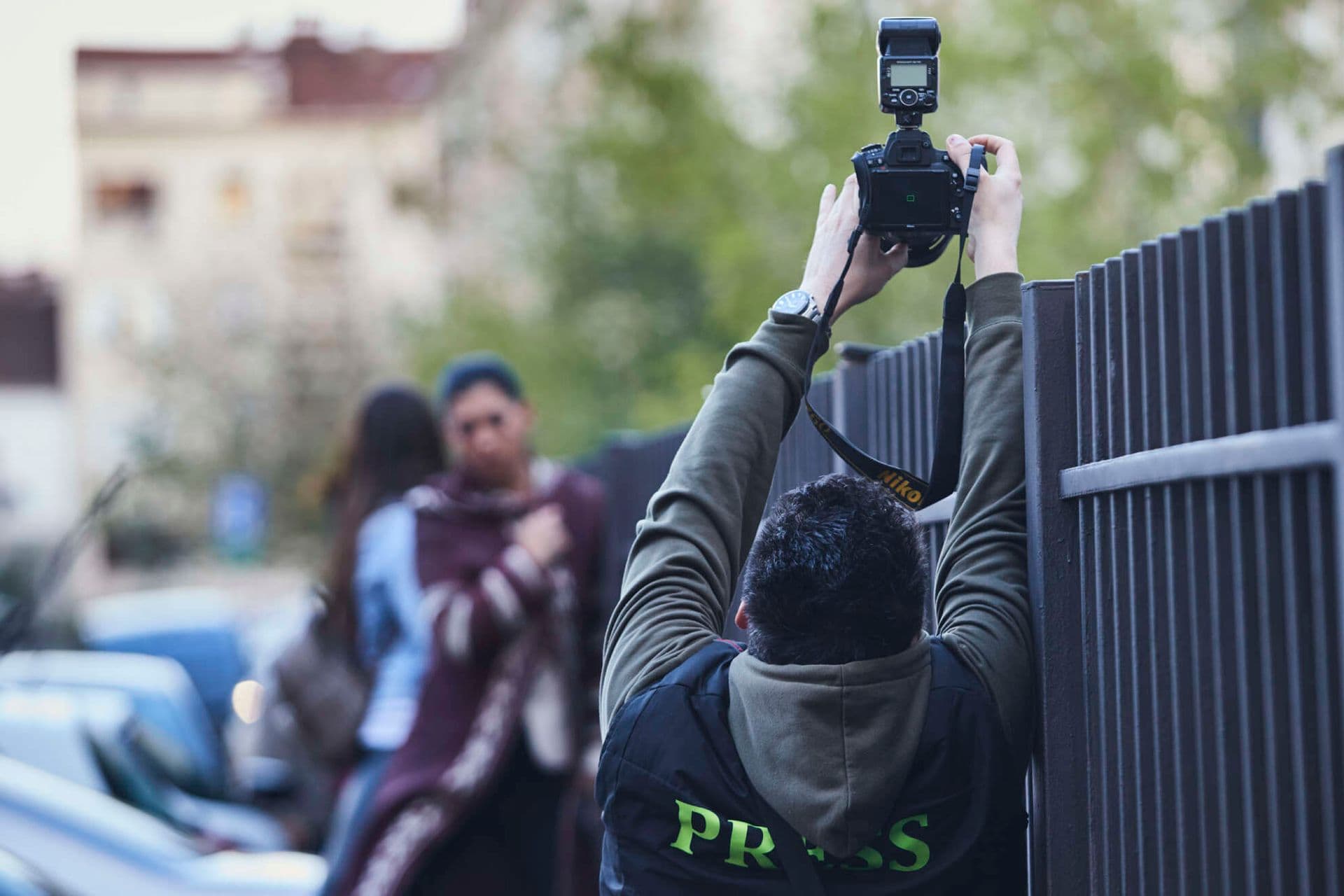
The most severe incident occurred in August when photojournalists Boris Pejovic and Stevo Vasiljevic were attacked while covering the unlawful removal of a monument associated with a war criminal. Both faced severe verbal abuse and death threats, culminating in a physical assault and damage to their equipment.
The report also noted five instances of discrediting attacks against three journalists and two media outlets. A significant case involved journalist Dragana Šćepanovic, who has faced years of defamatory attacks from the Aktuelno portal, owned by a businessman she had reported on. In March 2025, she won a preliminary court case affirming that the portal had systematically discredited her, highlighting a troubling trend of sustained pressure against journalists.
Moreover, the MFRR recorded three verbal attacks involving state and political officials. Notably, officials from the Democratic Party of Montenegro publicly accused various media of being “corrupt servants and protectors of the mafia,” a rhetoric that contributes to the delegitimization of the press.
Concerns have also been raised regarding discriminatory practices by the Ministry of Defense, which recently denied accreditation to journalist Bojana Dabovic from Antena M for a press conference, alongside other news outlets. This incident reflects a potentially alarming trend of obstructing journalistic access.
While the MFRR’s monitoring indicates a tripling of reported incidents in Montenegro, the regional network SafeJournalists has documented even greater numbers, with 28 attacks, threats, and pressures on journalists reported in 2025, the highest since records began. Disturbingly, at least nine of these incidents involved explicit or implicit threats to life and physical safety.
The European Commission emphasizes that, despite the legal framework for protecting media freedom aligning with European standards, practical enforcement remains woefully inadequate. They warn that verbal attacks, political rhetoric, and attempts to discredit media by public and political figures foster a hostile environment for journalists, discouraging them from reporting threats and attacks.
The overarching conclusion from the MFRR, SafeJournalists, and European Commission reports underscores a critical reality: the number of attacks and pressures on journalists is escalating, while institutional responses lag dangerously behind the severity of the crisis. The tripling of reported cases in one year, combined with the record number of reports to SafeJournalists, signals an urgent alarm that press freedom in Montenegro is deteriorating rapidly, particularly for those covering corruption, organized crime, and abuse of power.
As this situation develops, immediate action is needed to protect journalists and uphold media freedom in Montenegro. The international community and local authorities must prioritize swift, thorough, and independent investigations into all threats and assaults against media professionals to ensure a safer environment for reporting.