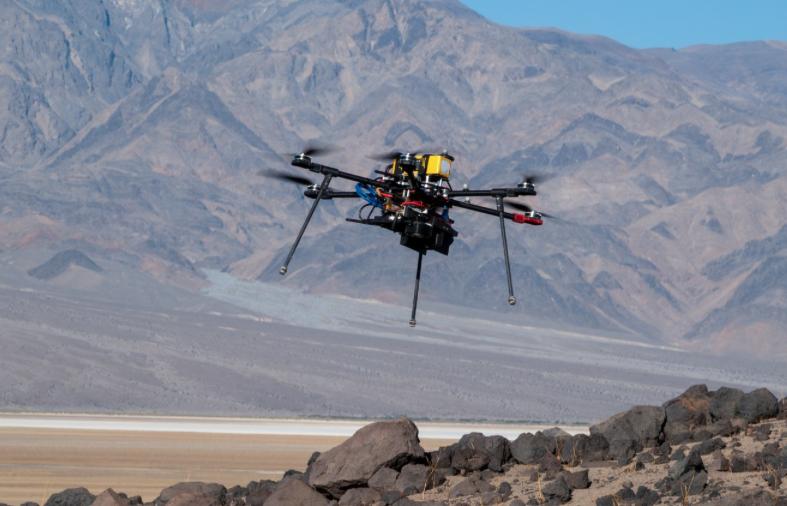
BREAKING: NASA is conducting urgent tests with three drones in Death Valley, California, aiming to prepare for future Mars missions and address critical issues encountered by the Ingenuity Space Helicopter. Just announced, this testing initiative is crucial as NASA seeks to enhance drone performance in extreme conditions akin to those on the Red Planet.
The tests in Death Valley, known for its harsh environment, are a direct response to Ingenuity’s catastrophic failure during its 72nd flight in January 2024, where it crashed after successfully completing a historic three-year mission. The drone tests are designed to simulate Mars-like conditions, allowing researchers to develop new techniques and technologies that can prevent similar mishaps in the future.
NASA’s team, including experts from the Jet Propulsion Laboratory (JPL), has been flying the drones over the park’s Mars Hill and Mesquite Flats Sand Dunes, where temperatures can soar to a blistering 113 degrees Fahrenheit (45 degrees Celsius). This extreme testing environment is vital for understanding how drones can navigate barren, featureless landscapes, much like those found on Mars.
In addition to Death Valley, the team previously conducted tests in the Mojave Desert, further refining their approach to simulate the Martian environment. According to Nathan Williams from JPL, these field tests have provided invaluable insights, offering a “much more comprehensive perspective” on drone operations in such challenging terrains.
NASA’s goal is not only to troubleshoot the issues faced by Ingenuity but also to enhance drone technology for future missions. The agency originally planned only five flights for Ingenuity, but the drone far surpassed expectations, completing numerous successful missions and providing unprecedented views of the Martian landscape. After its final flight, the team is now focused on ensuring the next generation of drones can operate safely and effectively.
As NASA continues its tests, the urgency to gather data and improve drone performance intensifies. The outcomes from these trials could be pivotal for future Mars explorations, potentially saving missions and expanding our understanding of the Martian environment.
Stay tuned for more updates as NASA pushes the boundaries of exploration and innovation, working to ensure that our next steps on Mars will be safer and more successful than ever before.