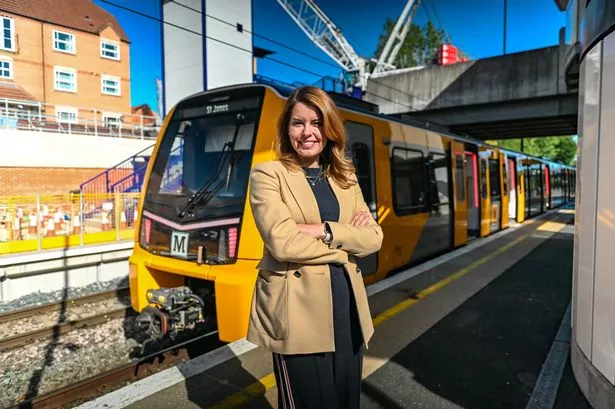
UPDATE: North East mayor Kim McGuinness is urgently calling on the Government to extend the historic rail fare freeze to the Tyne and Wear Metro. This plea comes after the Government announced over the weekend that rail fares will be frozen for the first time in 30 years to help alleviate the financial strain on families.
Currently, the fare freeze only applies to regulated fares on England’s train network, leaving local transport services like the Metro excluded. With the Metro facing a looming £5 million deficit, McGuinness’s call for action is critical to ensure affordable travel for local residents who depend on this service.
Earlier this month, concerns were raised about the Metro’s sustainability without a significant boost in income. Cathy Massarella, managing director of Nexus, outlined plans to enhance revenue through ticket fares and other means.
In a statement to the Local Democracy Reporting Service, McGuinness emphasized, “It’s fantastic news that regulated rail fares will be frozen to help passengers with travel costs as pressure continues to grow on family budgets.” She urged the Government to expand this freeze to all rail fares, stating, “They are just too expensive and too complicated.”
Additionally, the mayor has proposed extending the £2.50 cap on single bus journeys until March 2027. This initiative aims to support local commuters further. McGuinness mentioned, “By introducing The Mayor’s Fares, we brought down the cost of bus travel for millions of trips.”
In July 2023, Metro and Shields Ferry fares saw an average increase of 4.6%, resulting in a maximum fare of £4.70 for a single Metro trip. The hike had been temporarily delayed at the mayor’s request due to the disruption caused by the closure of the Gateshead Flyover.
The North East Combined Authority (NECA) is expected to review revised Metro and ferry fares early next year. Meanwhile, Chancellor Rachel Reeves remarked that the rail fares freeze aims to “ease the pressure on household finances” and facilitate easier travel for work and leisure.
Transport Secretary Heidi Alexander added, “We all want to see cheaper rail travel, so we’re freezing fares to help millions of passengers save money.” Commuters on more expensive routes stand to save over £300 annually, allowing them to retain more of their earnings.
The North East Public Transport Users Group supports the call for a fare freeze on the Metro, highlighting the need for equitable treatment of public transport users. A spokesperson stated, “For many years, fuel duty has been frozen for motorists while public transport users have faced above-inflation fare rises year after year. It’s time that those who rely on public transport are protected from the cost of living crisis too.”
The group also advocated for ticket integration across public transport in the North East, suggesting that a seamless system like London’s Oyster card would simplify fares and enhance public transport’s attractiveness.
As this situation develops, McGuinness and local authorities continue to push for necessary measures to ensure affordable transport options for all residents in the North East. The community watches closely as the Government considers extending the fare freeze to include the Tyne and Wear Metro, a crucial lifeline for many.