More than 300 high-profile individuals, including Donald Trump and Sir Keir Starmer, have been named in newly released documents associated with Jeffrey Epstein. This disclosure, made under the Epstein Files Transparency Act, has sparked significant discussion, particularly regarding the implications of such appearances. Officials are keen to clarify that being included in these files does not indicate any wrongdoing or legal liability.
According to Pam Bondi, the Attorney General, and her deputy, Todd Blanche, the names listed reflect a “wide variety of contexts.” The release follows a thorough review process, during which federal employees examined millions of emails, photographs, and documents. The Trump administration began the process of releasing these files in December, with the entirety now submitted to Congress. Sensitive materials related to victims, ongoing investigations, or child abuse content have been withheld.
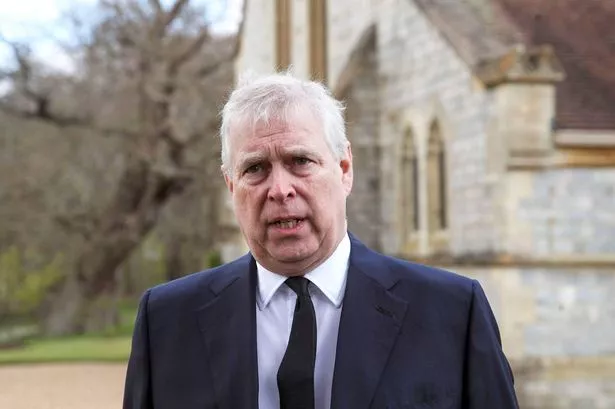
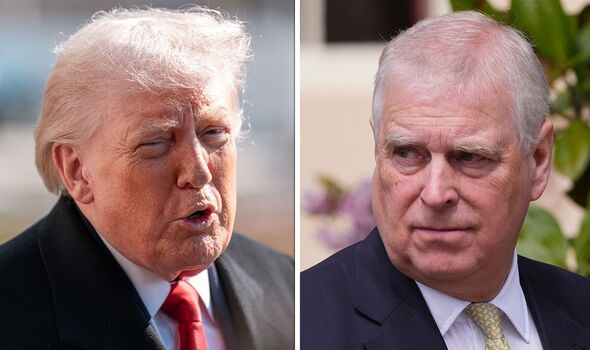
Among the most notable figures is Prince Andrew, who is documented in emails and photographs that detail his interactions with Epstein over the years. These include invitations to social events and various press references. His involvement continues to attract scrutiny, particularly following his removal of royal titles and ongoing investigations.
President Trump’s name appears frequently throughout the documents. The Department of Justice indicates he is listed at least once across the extensive record of pages. While he is not personally implicated in any wrongdoing, the British Prime Minister faces pressure due to his judgment in appointing Peter Mandelson to a high-level diplomatic position, despite Mandelson’s known associations with Epstein.
Not only political figures are included; the files also feature names from the entertainment industry. Bruce Springsteen and Michael Jackson, among others, are mentioned, primarily through media references and archival material. This inclusion highlights the reach of the Epstein files, which encompass a broad spectrum of public figures.
Detailed Connections and Controversies
Emails from the late 2000s and early 2010s reveal Ferguson seeking Epstein’s advice and expressing gratitude for his financial support. These communications illustrate her social and financial connections within Epstein’s network. Similarly, Bill Gates appears on the official list, noted through press references without direct involvement in any alleged activities.
The situation remains complicated for the British royal family, as Queen Elizabeth II is referenced in the context documents that involve other royal family members. The inclusion of cultural icons such as Kurt Cobain and Kim Kardashian further underscores the files’ extensive coverage of celebrities and influential figures.
The release has not been without controversy. During a recent Congressional hearing, Attorney General Bondi faced bipartisan criticism over the manner in which the names were released and compiled. Politicians criticized the Department of Justice for blending current political figures with deceased celebrities, arguing that this lack of context obscures direct associations versus incidental mentions.
Despite the pushback, Bondi defended the release, asserting that no records were withheld for reputational reasons and that it fully complied with the Epstein Files Transparency Act. The debate over redactions and the millions of pages still under review continues, leaving many questions unanswered.
As journalists, lawmakers, and researchers delve into the released materials, the Epstein files present a complex and often messy portrait of the web of power, influence, and social connections associated with the disgraced financier.