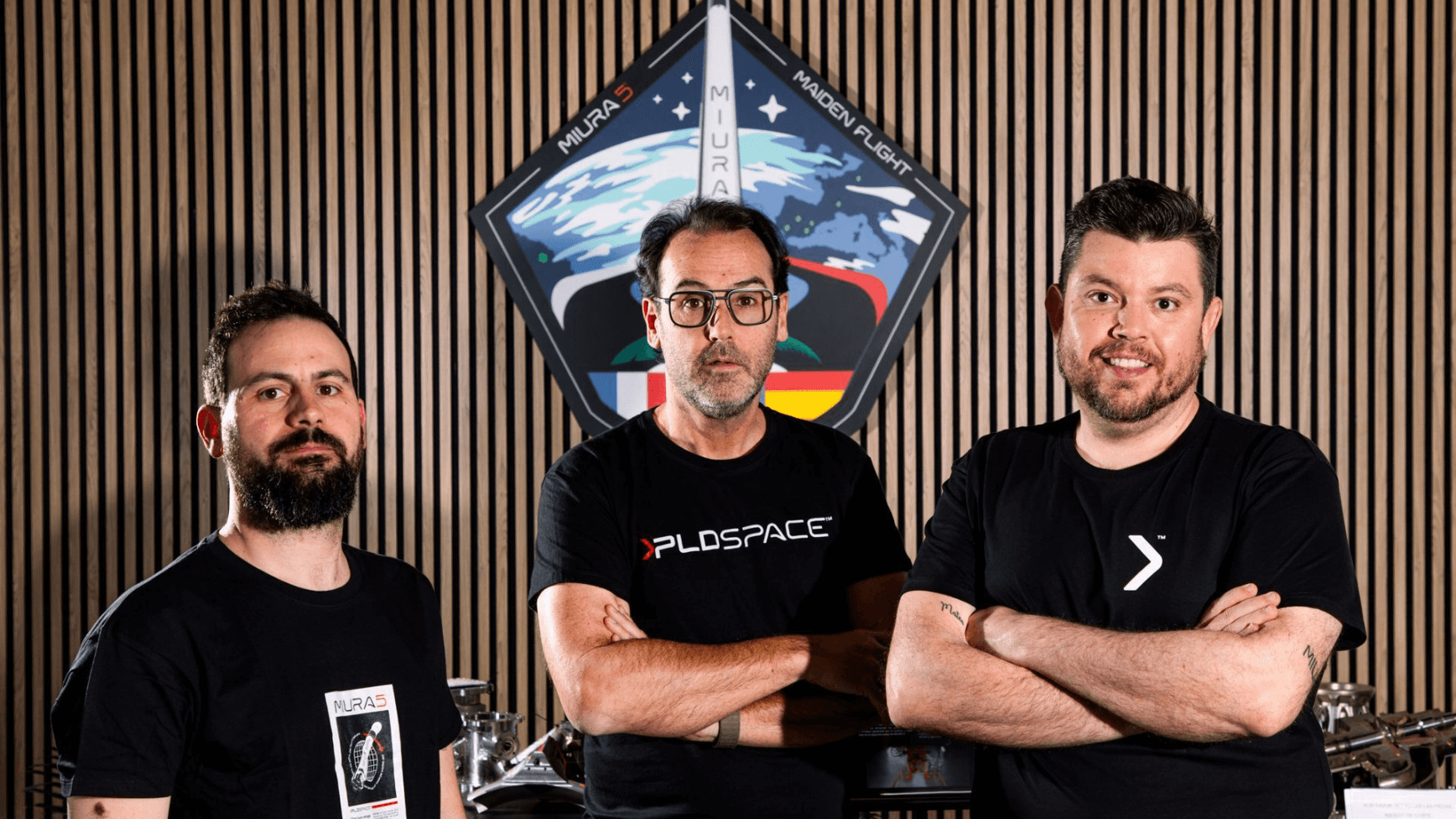
Spanish launch company PLD Space, based in Elche, has successfully raised €180 million in Series C funding. This substantial investment will facilitate the acceleration of production for its orbital rocket systems and enhance its global launch operations. The funding round saw strategic participation from Mitsubishi Electric alongside public and private investors, including CDTI Innvierte, COFIDES, and Nazca Capital.
The infusion of capital will support the industrial scale-up and commercial deployment of PLD Space’s Miura-5 small-satellite launch vehicle. This vehicle is pivotal for the company, which is part of a growing group of European private launch firms aiming to establish independent access to orbit. Founded in 2011, PLD Space specializes in developing reusable launch systems tailored to deliver small satellites into low Earth orbit.
In its role as a launch services provider, PLD Space caters to a diverse clientele that includes satellite operators, research institutions, and companies that require dedicated launch capacity. Unlike manufacturers of satellites, the company focuses on selling launch contracts to its customers. While public details regarding pricing or backlog value are scarce, PLD Space has indicated strong demand from both commercial and institutional customers.
The recent Series C funding marks PLD Space’s largest capital raise to date, bringing its total funding to over €350 million. The round features a mix of industrial and institutional investors, including Mitsubishi Electric, which aims to secure launch capacity for clients in Japan and across broader Asian markets. The company has not disclosed its post-money valuation following this round.
Europe’s Evolving Launch Landscape
This funding comes at a crucial time as Europe reassesses its access to space infrastructure. Delays in the deployment of the Ariane 6 rocket, coupled with geopolitical tensions and the rapid expansion of satellite constellations, have highlighted Europe’s reliance on external launch providers, particularly those from the United States. Concurrently, the global small-satellite market is experiencing rapid growth, with constellation operators requiring frequent launches of relatively small payloads. This has created an increasing demand for dedicated small launch vehicles capable of flexible scheduling.
While several European startups have entered the microlauncher sector, many remain in the initial development phases. PLD Space distinguishes itself as one of the few companies that has already conducted hardware flights and is progressing towards an orbital launch system.
Public investment initiatives, such as the European Launcher Challenge and various national funding programs, signal a growing commitment to establishing sovereign launch capabilities within Europe. The upcoming milestone for PLD Space will not be another funding round but rather the first orbital flight of the Miura-5. If successful, this launch could elevate the company from a promising startup to one of the select few firms capable of delivering satellites to orbit, a critical transition in the launch industry.
As PLD Space prepares for this pivotal moment, the implications for Europe’s launch capabilities and its position in the global space economy are significant. The outcome of the Miura-5 launch could reshape the landscape of commercial space access in Europe, providing a vital alternative in a market increasingly dominated by American entities.