UPDATE: In a shocking escalation of harassment, sexually explicit letters and “lonely housewife” posters targeting pro-democracy activists from Hong Kong have been sent to addresses in the UK and Australia, authorities confirm. This disturbing trend highlights the increasing risks faced by critics of the Chinese Communist Party as they seek refuge abroad.
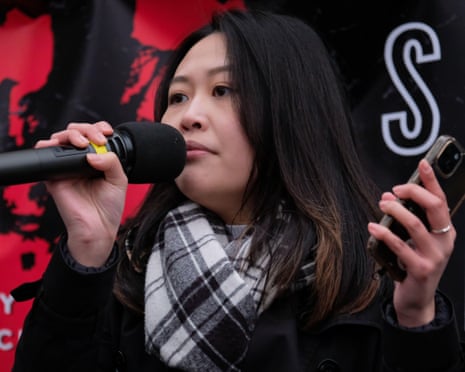
Letters containing digitally manipulated images of Carmen Lau, a high-profile exiled activist, were recently mailed to her former neighbors in Maidenhead, UK. The content, featuring explicit images of Lau, suggests a sinister intent to intimidate. Recipients reported receiving multiple letters flaunting fake, sexualized depictions of her, including one that showed her performing a sex act.
In Australia, Ted Hui, another prominent figure in the pro-democracy movement, faced similar harassment. Posters falsely advertising his wife’s services as a sex worker have circulated, unsettling their local community in Adelaide. Hui expressed his concern about the impact this could have on his family, stating, “My wife was speechless. This is the first time she has been targeted.”
The letters, which originated from Macau, mark a significant shift in tactics against activists already facing threats. Lau reported that at least half a dozen neighbors received the explicit correspondence, with details including her home address and personal measurements. The letters included a disturbing invitation: “Welcome to visit me! You have the right to choose me, and I also have the right not to accept you.”
Lau expressed her fear upon learning about the letters, stating, “I am a woman, and they threaten me like this.” She characterized the harassment as an “escalation of transnational repression,” where AI and digital tools are weaponized against female activists. This revelation comes in the wake of similar intimidation tactics involving publicly posted “wanted” posters, offering a reward of HK$1 million for information about her.
In response to the harassment, Lau has taken steps to protect her identity, stating, “If I ever go out, I try to wear a cap or a face mask to avoid being recognized.” The psychological toll is evident, as she described feeling uneasy in public spaces. Meanwhile, a resident in Adelaide who received Hui’s poster expressed confusion and concern, stating, “How did they get our address? It just doesn’t make sense.”
Authorities are investigating these malicious communications. Thames Valley police reported that they are looking into the digitally altered images, while a spokesperson for the South Australia police confirmed they are aware of the situation but could not comment on specific cases.
Despite the seriousness of these incidents, the Chinese embassy remains dismissive, claiming that the bounty letters were fabricated. A spokesperson stated, “It is legitimate and reasonable to pursue wanted fugitives.” This response has drawn criticism from local officials, including Joshua Reynolds, MP for Maidenhead, who condemned the letters as an act of “transnational repression” and urged the UK government to take decisive action.
The international community is watching closely, as this situation raises profound questions about the safety of exiled activists. With escalating tactics against women in particular, the message is clear: the struggle for democracy in Hong Kong is facing increasing threats, even beyond its borders.
As authorities continue their investigations, the question remains: what measures will be implemented to protect those standing against oppressive regimes? This situation is developing rapidly, and further updates are expected as law enforcement agencies respond to the growing concerns.
Stay tuned for more on this urgent issue impacting activists globally.