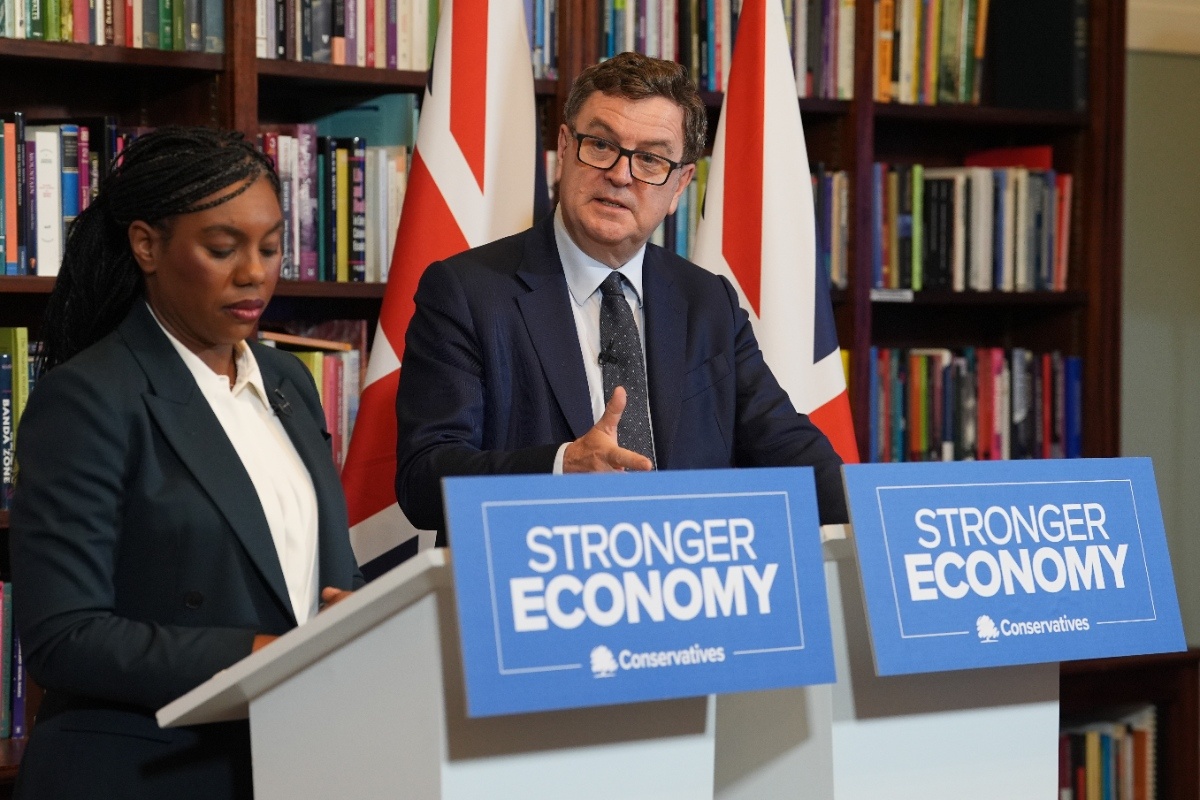
UPDATE: Shadow Chancellor Mel Stride has issued a clarion call for the UK financial sector to undergo significant deregulation or risk losing its competitive edge. Speaking urgently, Stride warned that the current regulatory environment has swung “too far in favour of trying to iron out risk,” threatening the future of the City of London.
In a bold statement, Stride advocated for a “bonfire of regulation,” expressing deep concerns about the trajectory of the UK financial services if these reforms are not implemented. His remarks come in the wake of comments from City Minister Lucy Rigby, who recently told the Financial Times Global Banking Summit that banks are finally off the “naughty step” and should be championed.
The backdrop of Stride’s comments is the upcoming November 26 budget, where Chancellor Rachel Reeves faces mounting pressure from various stakeholders, including think tanks and politicians, regarding potential taxation on the banking sector. The looming decision has led to significant volatility in bank shares, with institutions like Natwest seeing a sharp decline of 5% over concerns of an £8 billion tax on profits linked to quantitative easing.
In the days leading up to the budget, dubbed the “Leaky War” due to intense speculation, bank stocks have been in turmoil. This includes an £2.5 billion loss in Natwest’s market value and an overall £8 billion loss across the FTSE 100’s largest banks, including Lloyds, Barclays, HSBC, and Standard Chartered.
However, following news that banks may be spared from a cash raid, optimism surged. Within 24 hours post-budget, JP Morgan announced plans to invest £10 billion into a new tower at Canary Wharf, marking its largest European presence. Meanwhile, Goldman Sachs committed “several billion pounds” to UK infrastructure projects and plans to add 500 jobs in Birmingham.
In a show of confidence, Lloyds Banking Group unveiled a plan to provide £35 billion in new financing to UK companies by 2026. Similarly, Barclays pledged an additional £45 billion in lending to support UK businesses and consumers.
What’s next? As the UK government prepares for the crucial budget meeting, all eyes will be on how Stride’s calls for deregulation will be received and whether the financial sector will indeed be “turbo-charged.” Stakeholders are urged to stay tuned as developments unfold.
This situation is critical not only for financial markets but also for the broader economy, affecting jobs, investments, and consumer confidence across the UK. The urgency of these discussions highlights the significant role that financial services play in the nation’s economic health and global standing.
The time for action is NOW, and the future of the UK’s financial landscape hangs in the balance.