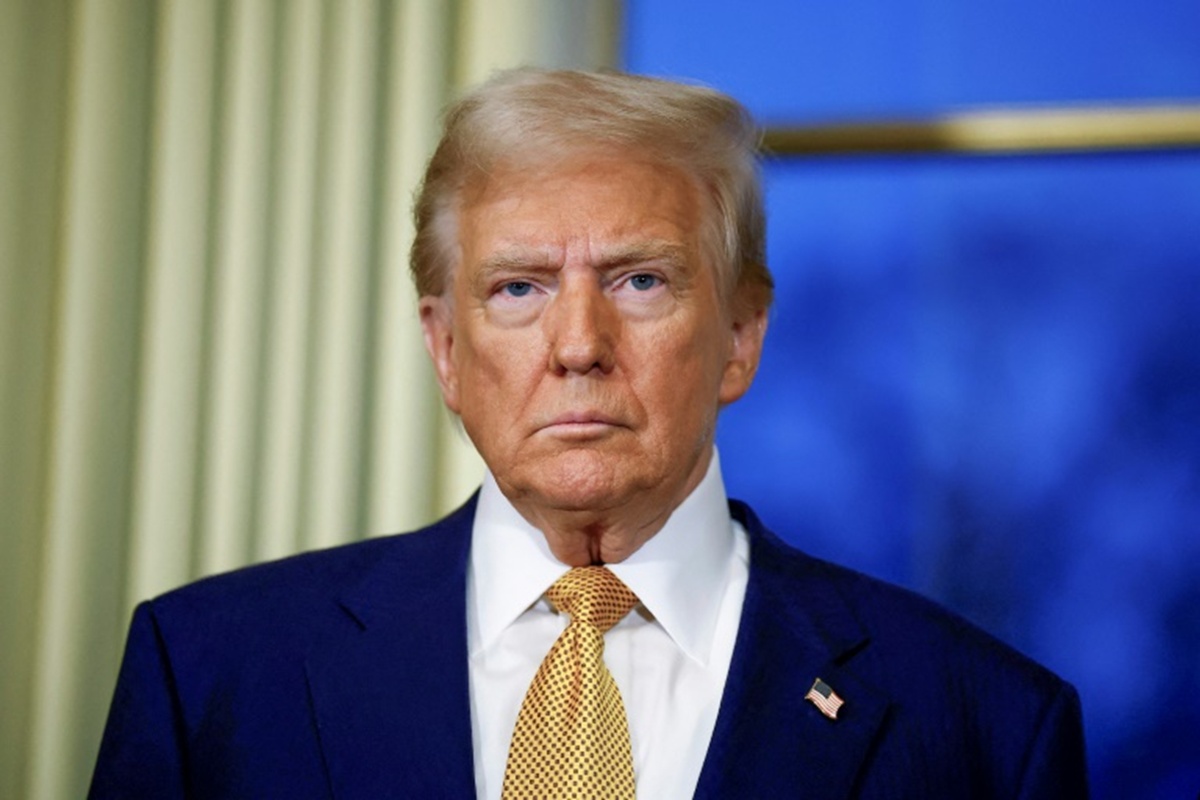
UPDATE: Oil prices have surged past $100 per barrel as the escalating conflict in the Middle East disrupts energy production and supply routes. In a bold statement on July 15, 2023, former President Donald Trump declared that prices would “drop rapidly” once the Iranian nuclear threat is neutralized.
This alarming price spike comes amid reports of reduced oil output, with Kuwait Petroleum Corporation cutting back operations in response to the conflict. The BBC highlighted that the market had already been under pressure, with energy prices reaching a two-year high following warnings from Qatar’s energy minister about potential halts in production due to military actions affecting their facilities.
Trump characterized the current price increases as “a very small price to pay” for safety, stating on Truth Social, “ONLY FOOLS WOULD THINK DIFFERENTLY!” This rhetoric suggests a high-stakes gamble as motorists and businesses brace for a sharp financial squeeze in the short term.
As the global markets react to the turmoil, traders sent crude prices soaring, with some forecasts predicting a peak of $150 per barrel if the conflict continues. The Strait of Hormuz, a critical chokepoint for oil shipping, remains under threat, raising concerns about broader economic implications.
In a concerning development, Reuters reported that Iraq’s oil production from key southern fields has plummeted by 70%, dropping to 1.3 million barrels per day. This significant reduction is largely due to the inability to export through the Strait of Hormuz, where tensions are escalating.
The situation is dire as Qatar has halted its LNG production, citing military assaults on its facilities, risking further global supply shortages. Trump’s comments about the U.S. oil supply were optimistic, stating, “We’ve got a lot of oil. Our country has a tremendous amount.” However, this optimism contrasts starkly with the real-time impacts of the ongoing conflict in the region.
Financial analysts warn that prolonged instability could severely disrupt global GDP and create manufacturing shortages. The AAA reported that gas prices have surged by 48 cents over the past week, reflecting the immediate pain consumers are feeling at the pump.
Market watchers are closely monitoring the situation as the conflict unfolds. Trump’s assertion that prices will stabilize hinges on military outcomes, which remains uncertain. As major producers like Kuwait and Iraq cut output, the potential for a sustained price increase looms large.
In summary, the conflict in the Middle East is not only affecting oil prices but also poses significant risks to global energy stability. Consumers are left to navigate this complex landscape as they face rising costs and uncertainty about the future. The situation is developing rapidly, and further updates are expected as the geopolitical landscape evolves.
Stay tuned for more immediate updates as this story unfolds.