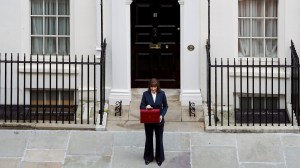
BREAKING: The UK government has officially lifted the two-child limit on benefits, a move expected to significantly alleviate child poverty for millions. In a surprising announcement during the recent autumn budget, the Chancellor confirmed that the policy will be fully scrapped by April 2025, benefiting 1.6 million children nationwide.
This pivotal change comes after extensive calls from charities and Labour MPs, who argued that the previous policy was financially burdensome on families and detrimental to children’s welfare. Keir Starmer and Rachel Reeves have finally backed this initiative, with the Chancellor stating, “I can announce today, fully-costed and fully-funded, the removal of the two-child limit in full from April.”
Why This Matters NOW: The removal of this limit is projected to lift approximately 350,000 children out of poverty immediately, according to the Child Poverty Action Group (CPAG). An additional 700,000 children are expected to experience reduced levels of poverty. This crucial step signifies a commitment to improving the lives and futures of vulnerable children across the UK.
Dr. Philip Goodwin, CEO of UNICEF UK, hailed the decision as “necessary to tackle record levels of child poverty,” asserting that “no child should be punished for the number of siblings they have.” This policy shift is not just a financial adjustment but a moral imperative, allowing families to better meet their children’s essential needs.
Families with three or more children, particularly those with at least one born after April 2017, stand to benefit the most. Under the old regime, these families received no extra universal credit for additional children. Now, they can expect around £3,500 annually for each additional child, a lifeline for many struggling households.
While some reports suggest that larger families could see financial support increase by as much as £20,000 per year, this applies only to families with over eight children. Nonetheless, the overall financial relief is substantial, marking a reversal of the Conservative government’s previous cuts to benefits for larger families.
However, this landmark change comes at a significant cost. The Resolution Foundation estimates that scrapping the two-child limit will incur about £3.5 billion annually by the end of the decade. Despite this, advocates argue that the long-term savings from reducing child poverty—estimated at around £40 billion by 2027—will justify the expense.
The government is under pressure to further address child poverty, with ongoing calls for a comprehensive strategy that includes legal targets to hold the administration accountable. Lord John Bird, founder of the Big Issue, emphasized the necessity for a bold approach that not only alleviates immediate hardships but also opens pathways for children to escape poverty.
In addition to lifting the two-child limit, campaigners are advocating for an end to the benefit cap, which disproportionately impacts larger families. Alfie Stirling of the Joseph Rowntree Foundation stressed the urgent need for systemic reforms to address high housing costs and inadequate safety nets.
As this policy unfolds, families will need to stay informed about how these changes will specifically affect their financial situations. The government is expected to release its comprehensive child poverty strategy soon, which will outline additional measures aimed at combating poverty.
This announcement marks a critical turning point in the UK’s approach to social welfare, with the potential to change the lives of millions of children and their families. Stay tuned for further updates as the impact of this decision is felt across the nation.