URGENT UPDATE: A historic Roman fort and civilian settlement located at Low Borrowbridge Farm in Cumbria is under immediate threat as the River Lune erodes its bank, risking the preservation of invaluable archaeological remains. The site, which dates back to the first and second centuries AD, is experiencing alarming rates of erosion, putting at risk a cemetery and other significant structures.
Today, as freezing temperatures envelop the region, local farmer and photographer Andrea Meanwell is documenting the deteriorating riverbank. The evidence is stark: in recent storms, large sections of earth and trees have been swept away, revealing the urgent need for protective measures. The erosion is exacerbated by changes made to the river’s course in 2019, when the Highways Agency installed gabions of stone upstream to protect nearby Salterwath bridge, a listed structure.
This vital site covers at least 12 hectares (30 acres) and includes remnants of what is believed to be a Roman parade ground and a mansio, or guesthouse, discovered during excavations in 2011-12. However, experts have raised alarms as the river continues to encroach on the cemetery area, endangering centuries of history.
Meanwell has been tirelessly seeking funding to reinforce the riverbank for the past two years. The situation has garnered interest from Historic England, which is now considering supporting the application for conservation funding. As part of the application process, Meanwell is capturing crucial photographs of the affected areas.
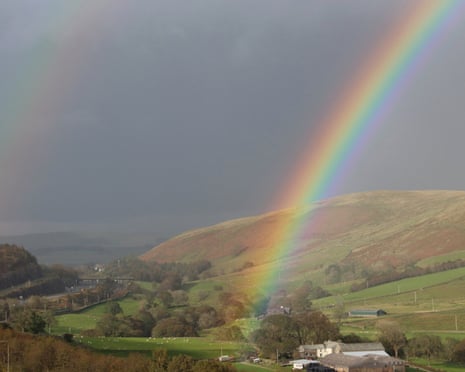
Thousands of people travel through the picturesque Lune Gorge daily, yet few venture off the main routes to appreciate the quiet beauty and historical significance of the site. The ongoing debate among archaeologists about the fort’s name, thought to be “Alone,” adds an ironic twist to its current predicament, highlighting the juxtaposition of isolation and bustling traffic nearby.
Next Steps: Authorities are expected to meet in the coming weeks to discuss potential interventions. The outcome may determine the fate of this culturally rich site, making it imperative for the community and history enthusiasts to rally support for its preservation.
As the situation develops, local residents and history advocates are urged to stay informed and participate in discussions about safeguarding this critical piece of heritage. The urgency of the matter cannot be overstated—the future of the Roman fort may depend on immediate action to protect it from the relentless forces of nature.