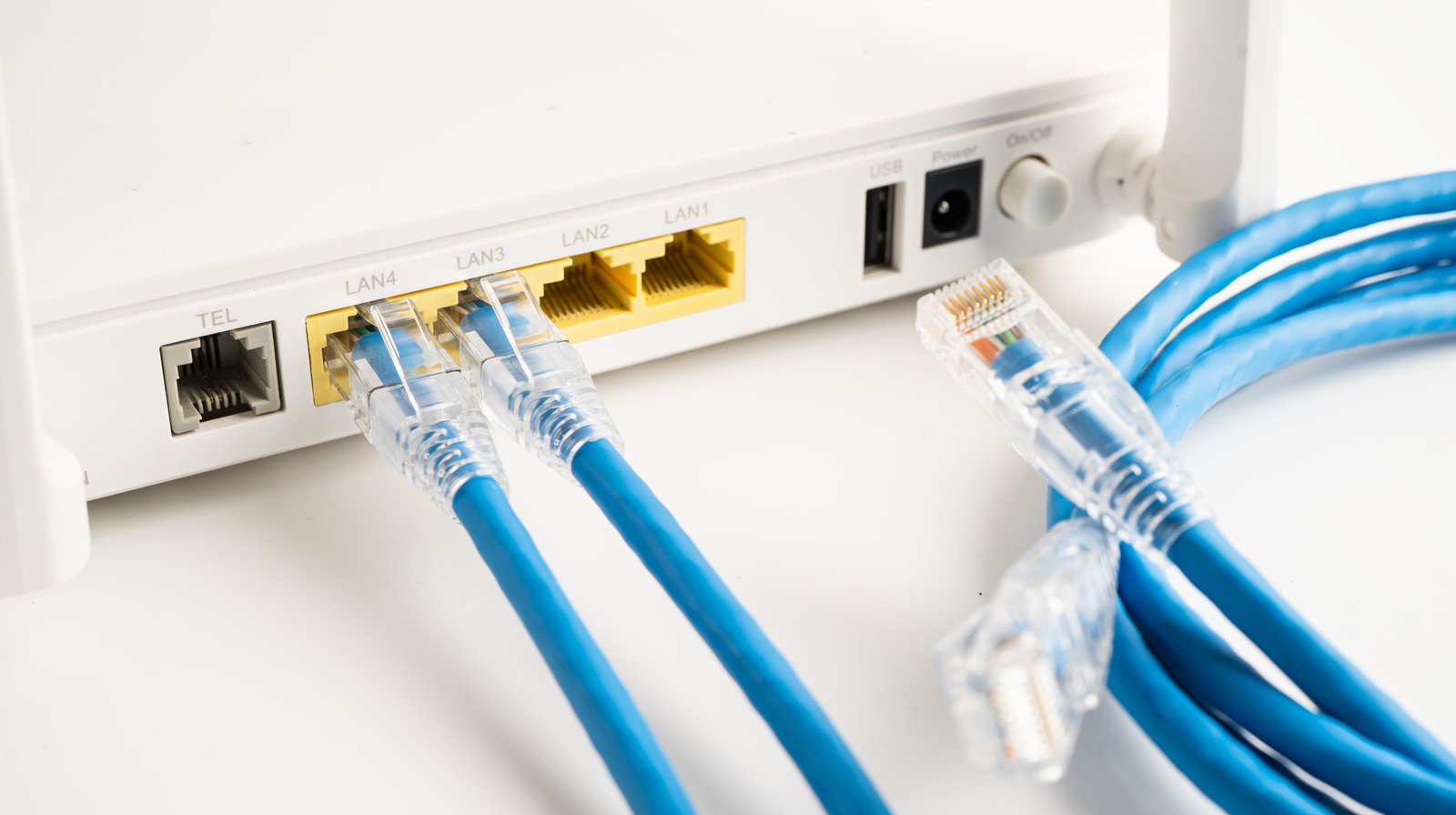
URGENT UPDATE: Experts are warning that plugging certain devices into your router’s USB port can lead to severe network issues, security vulnerabilities, or even damage to your hardware. This advisory is crucial for anyone relying on Wi-Fi connectivity for work or entertainment as it affects the performance and safety of your internet connection, impacting millions of users globally.
The specific devices to avoid include smartphone chargers, external hard drives, and untrusted USB accessories. Authorities emphasize that while many modern routers come equipped with USB ports, not all are designed to handle the energy demands or data transfer needs of every device.
Plugging in a smartphone, for instance, might seem convenient, but the reality is that most routers only provide a low current of 2.5 to 4.5 watts. This is inadequate for charging power-hungry devices like the iPhone 17 Pro Max, which could result in slow charging or, worse, overheating your router, leading to potential shutdowns during peak usage times.
For a safer alternative, consider investing in a dedicated USB charging hub, such as the Anker 122W Max 6-Port Charging Station, which offers robust charging capabilities for multiple devices at a cost of around $15 to $40.
Additionally, while connecting an external hard drive might seem like an easy way to create a network-attached storage (NAS) solution, it comes with significant risks. Routers may struggle to support drives larger than 8TB, leading to performance issues and potential data loss. Furthermore, the lack of advanced security features in routers means that personal files could be exposed to unauthorized access.
Perhaps the most alarming warning comes regarding untrusted USB devices. Cybersecurity experts indicate that these can serve as entry points for malware and cyber-attacks. Any USB device not personally owned or vetted—especially those from public places or promotional giveaways—poses a serious risk. Attackers can exploit vulnerabilities to compromise your router and all connected devices, potentially corrupting firmware or spying on your online activities.
To maintain a secure network, it is vital to implement best practices: avoid using untrusted USB devices, regularly update your router’s firmware, utilize guest networks, and enable WPA2 or WPA3 encryption.
The message is clear: safeguard your network by being cautious with what you plug into your router’s USB port. For those who depend on reliable internet connectivity, these practices are not just recommendations; they are essential for protecting your digital life.
Stay informed, stay secure, and share this information to help others avoid potential pitfalls in their home networks.