URGENT UPDATE: The energy market is facing a critical transition as new reports highlight the stark disparity between raw energy sales and the burgeoning value of digital services relying on that energy. The call to action is clear: stakeholders must rethink their approach to energy consumption and production.
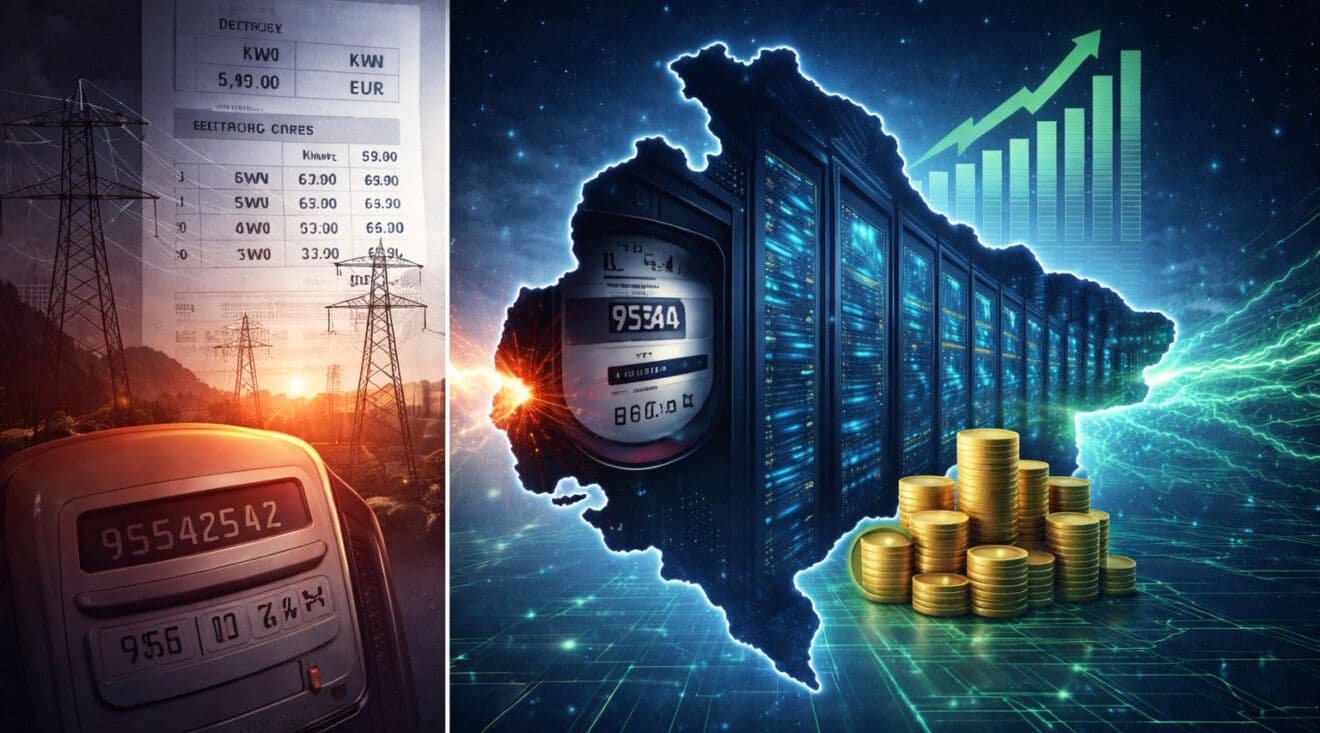
Latest insights reveal that selling electricity at €0.09 per kWh pales in comparison to the potential earnings from data centers, which can monetize that same energy at up to €0.25 to €0.30 per kWh. This discrepancy underscores the urgent need for a strategic pivot in how energy resources are utilized.
Data centers serve as the backbone of modern digital infrastructure, powering everything from government systems to banking applications. This infrastructure, while often seen as distant and technical, is deeply integrated into our daily lives, demanding a reliable energy supply. Without stable energy, services falter, and digitalization efforts lag behind.
In Europe, the energy market is witnessing extreme fluctuations. For instance, prices on the Nord Pool market can plummet to negative values during periods of surplus energy, only to surge above €250 per MWh when demand spikes. This volatility presents both challenges and opportunities for energy producers and consumers alike.
The analogy of selling timber versus furniture illustrates the situation: raw electricity sold as a commodity lacks the added value that comes from transforming it into digital services. As demand for data centers grows, so does the need for a stable energy supply that ensures continuous operation. This reliable consumption pattern can provide energy producers with a steady income and lower risk, prompting necessary investments in infrastructure.
Digital services offer significantly greater market value than raw energy alone. The difference is not just in kilowatts but in the strategic decisions made surrounding energy use. By choosing to develop digital services that leverage energy, businesses can create more robust economic outcomes.
The impact on local communities is profound. While data centers may not generate thousands of jobs like traditional factories, they foster quality professional roles for engineers, technicians, and security experts. The growth of data centers encourages the development of ancillary services and new skill sets, thus enhancing local economies.
As the conversation around energy transformation unfolds, attention is drawn to the rising sector of digital currency mining. This activity, which consumes significant energy, should ideally be housed within regulated data centers that provide controlled environments and reliable power sources—ensuring transparency and efficiency.
Ultimately, the pressing question is not whether we have enough energy, but how we choose to utilize it. The difference between a nation exporting kilowatts and one exporting digital services lies not in the volume of electricity but in the decision to evolve from a raw material economy to a knowledge-based economy.
With this urgent need for transformation, stakeholders across the energy and digital sectors must act swiftly. The future of energy consumption and economic growth hinges on the choices made today. Share this critical update and engage in the conversation about the future of energy and digital innovation.