UPDATE: Residents of southern Lebanon are facing renewed terror as the Israeli military warns of imminent strikes targeting Hezbollah positions throughout the region. This urgent alert, issued by Avichay Adraee, the Israeli army’s Arabic-language spokesperson, has prompted families to prepare for evacuation once again.
“Our suitcase is always ready in case we have to leave,” said Rim, a mother from the affected areas. Nearly a year after a ceasefire concluded the war between Israel and Hezbollah, residents are grappling with ongoing airstrikes and a perilous occupation across at least five zones, rendering their homes unsafe.
Since November 27, 2024, over 300 people have lost their lives in Israeli military operations, according to local reports. The situation is dire, with Lebanon’s health ministry noting that approximately 1.4 million people have been displaced due to the conflict.
The relentless bombardments have devastated civilian infrastructure, crippling essential public services and preventing thousands from returning home. The World Bank estimates damages at over $11 billion, primarily impacting housing and commercial properties.
As reconstruction efforts stall amid a struggling Lebanese government and Hezbollah’s diminished capacity, residents like Marwan are left without support. “I received a small sum from Hezbollah for repairs, but it barely covers half the costs,” he lamented. The ongoing Israeli strikes have continuously undermined any hope of rebuilding.
On September 4, 2025, airstrikes targeted construction sites in Ansariyeh, destroying essential equipment needed for repairs. The agricultural community is equally suffering; Mohammed, a local farmer, returned to find all his livestock killed in an airstrike. “I have to buy new beehives with my own money to try to restart my livelihood,” he stated, highlighting the devastating impact on local farming.
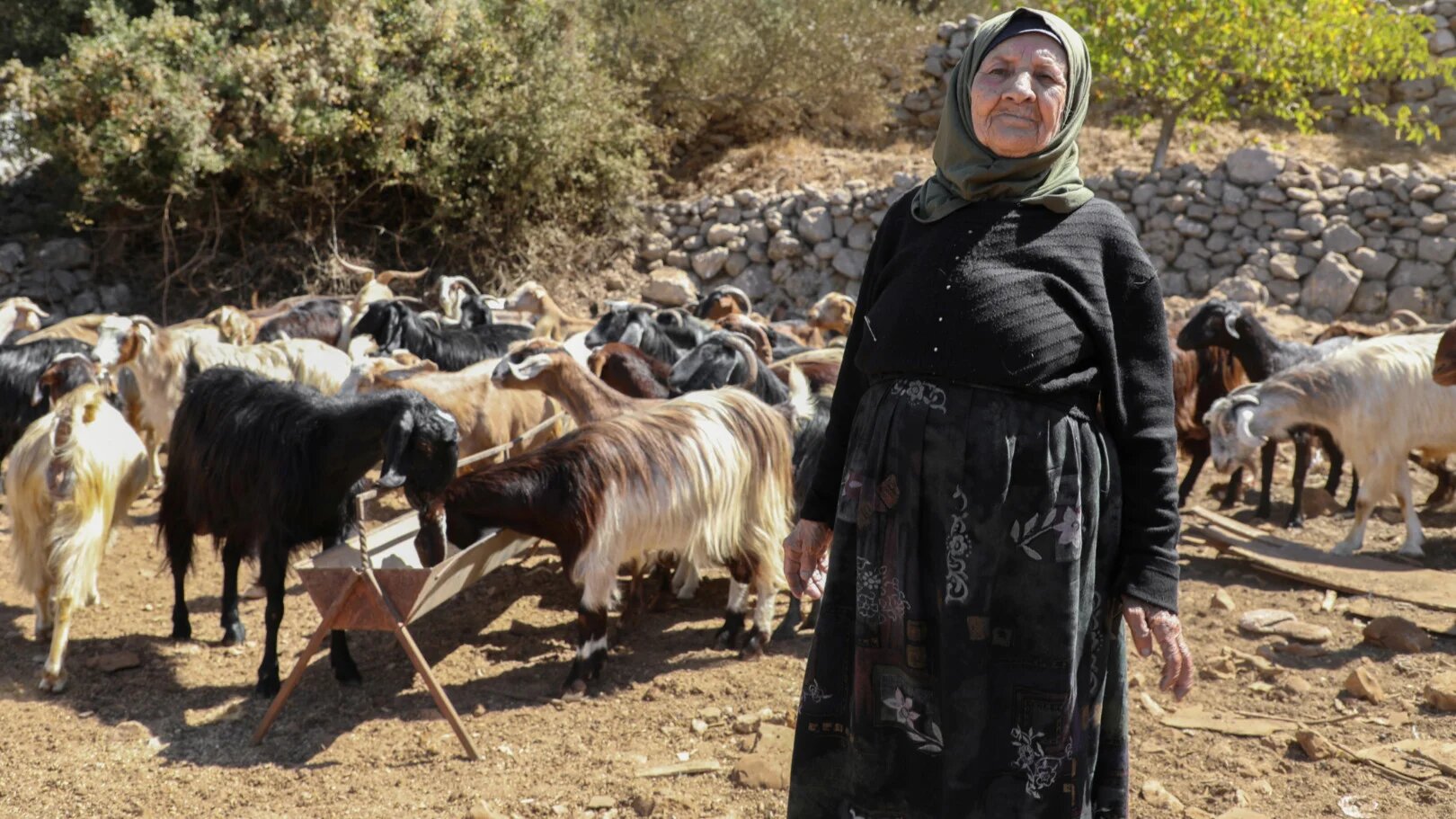
In Kfarchouba, residents express frustration and despair. “Israel is preventing us from accessing our lands,” said Tamimi, a local shepherdess. The psychological toll is immense; every night brings the fear of airstrikes, disrupting daily life as residents live under constant threat.
Meanwhile, Nabil has made the difficult choice to reopen his butcher shop alone, leaving his family in safer areas. “Someone has to work,” he said, illustrating the desperation many feel. With half the town’s population gone, businesses struggle to survive. “People still come to buy sandwiches, but those who sell clothes don’t have that luck,” he added.
The emotional strain of living under siege is palpable. Residents report daily harassment from Israeli forces, making even simple tasks dangerous. “That is our daily life,” sighed Mona, a 60-year-old resident in Kfarchouba, as she described the constant presence of gunfire.
In a stark reflection of the conflict, Hoda returned to find her home defaced with Hebrew graffiti, symbolizing the occupation’s harsh reality. Residents across the region are similarly impacted, with symbols of occupation marking their homes.
Internationally, there are discussions surrounding a proposed economic zone in southern Lebanon, linked to the disarmament of Hezbollah. Local officials fear this plan may lead to permanent displacement, benefiting foreign interests at the expense of local populations. “This plan aims to force people to permanently leave their lands,” warned Ahmad Ghanem, a local official.
As tensions escalate, Hezbollah remains firm in its stance. Deputy leader Naim Qassem reaffirmed the group’s commitment to retaining its weapons, a sentiment echoed by many who believe they need protection against Israeli aggression. “We trust neither the Lebanese army nor Unifil. Hezbollah is our only protection against Israel,” one young man stated, capturing the prevailing sentiment in the region.
With nearly 7,000 Israeli air violations recorded since the ceasefire, the situation remains precarious. The United Nations has yet to renew Unifil’s mandate, raising concerns among residents about their safety and survival strategies.
In Khyam, an elderly woman captured the profound sentiment shared by many: “How can we allow a coloniser to occupy our lands? Even with martyrs, we will not leave.” As the situation in southern Lebanon continues to deteriorate, the international community watches closely, though for many residents, hope feels increasingly distant.