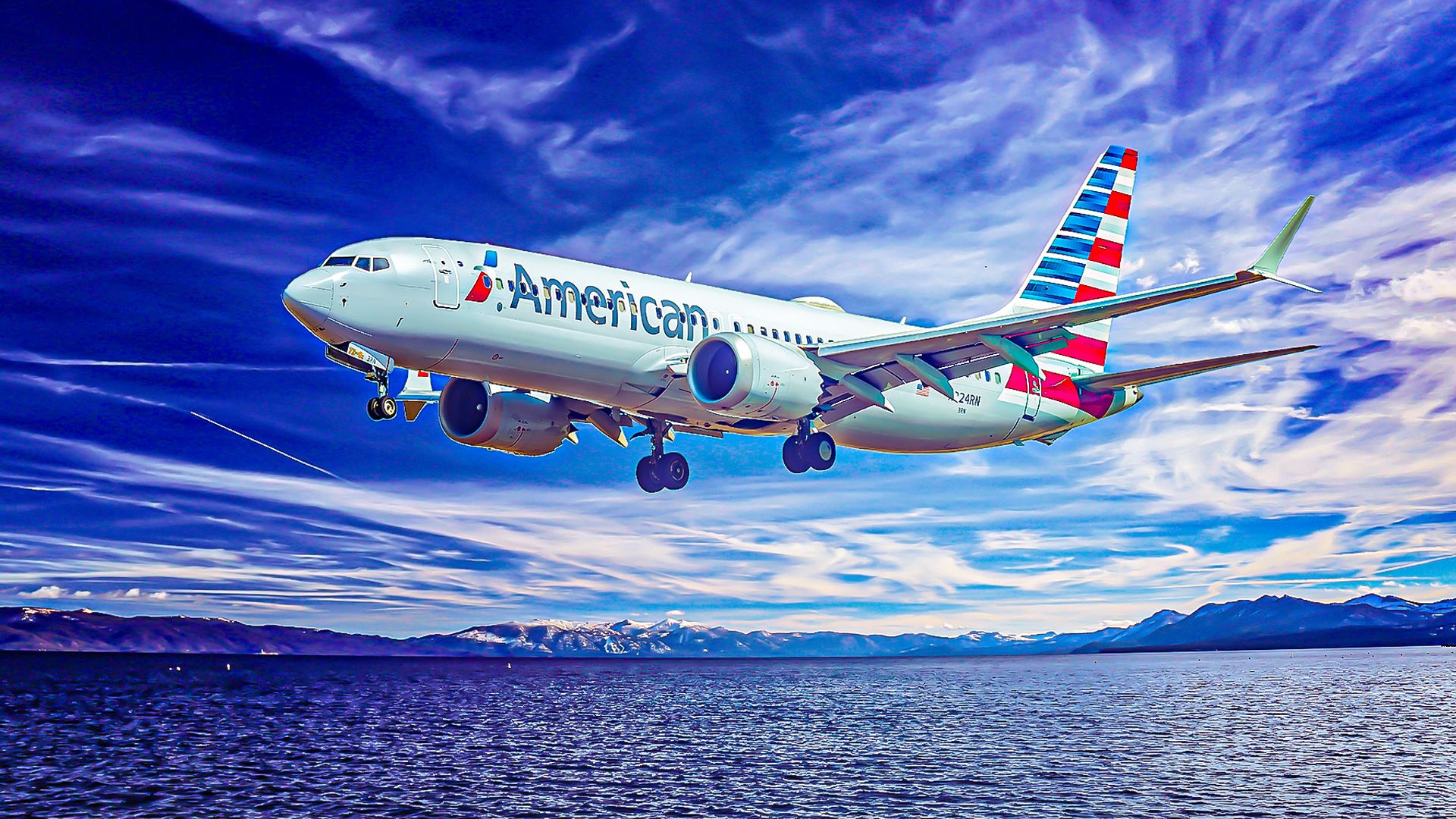
UPDATE: A shocking new study reveals that nearly 3% of airline water supplies tested positive for coliform bacteria, raising serious health concerns for travelers. Conducted by the Center for Food as Medicine & Longevity, this urgent report highlights that American Airlines and JetBlue face the highest contamination risks, with nearly all airlines failing to meet federal guidelines.
The study, released today, emphasizes that travelers should avoid drinking any water on airplanes unless it comes from a sealed bottle. This alarming finding underscores the potential health risks associated with consuming water on flights, particularly given the federal regulations designed to prevent waterborne illnesses like E. coli.
Why This Matters Right Now: With millions of passengers flying daily, the implications are vast. Water systems onboard aircraft are often refilled from various sources worldwide, making them vulnerable to contamination. The study also found that washing hands with onboard sink water is not advisable. Researchers recommend using alcohol-based hand sanitizers with at least 60% alcohol concentration instead.
According to Charles Platkin, director of the Center for Food as Medicine & Longevity, “Delta Air Lines and Frontier Airlines win the top spots with the safest water in the sky, while nearly all regional airlines need to improve their onboard water safety, with the exception of GoJet Airlines.”
Key Findings:
– Delta Air Lines: Grade A with a perfect score of 5.00.
– Frontier Airlines: Grade A with a score of 4.80.
– Alaska Airlines: Grade B with a score of 3.85.
– American Airlines: Lowest among major airlines, scoring 1.75 (Grade D).
– Mesa Airlines: The lowest regional carrier with a score of 1.35 (Grade F).
– CommuteAir recorded a striking 33.33% coliform-positive rate.
The Environmental Protection Agency (EPA) has been criticized for its lack of effective oversight in ensuring safe water standards, leading researchers to issue a “shame on you” award for their inadequate enforcement.
What Travelers Should Do: To mitigate health risks, flyers are urged to avoid drinking coffee and tea onboard and to refrain from brushing their teeth with sink water. Instead, only consume water from reputable sources or sealed bottles provided by in-flight services.
The findings of this study are an urgent reminder of the potential dangers of in-flight water systems and the need for stricter enforcement of safety protocols. As air travel continues to increase, the safety of onboard water supplies remains a critical concern for passengers everywhere.
Stay tuned for further updates as this story develops.