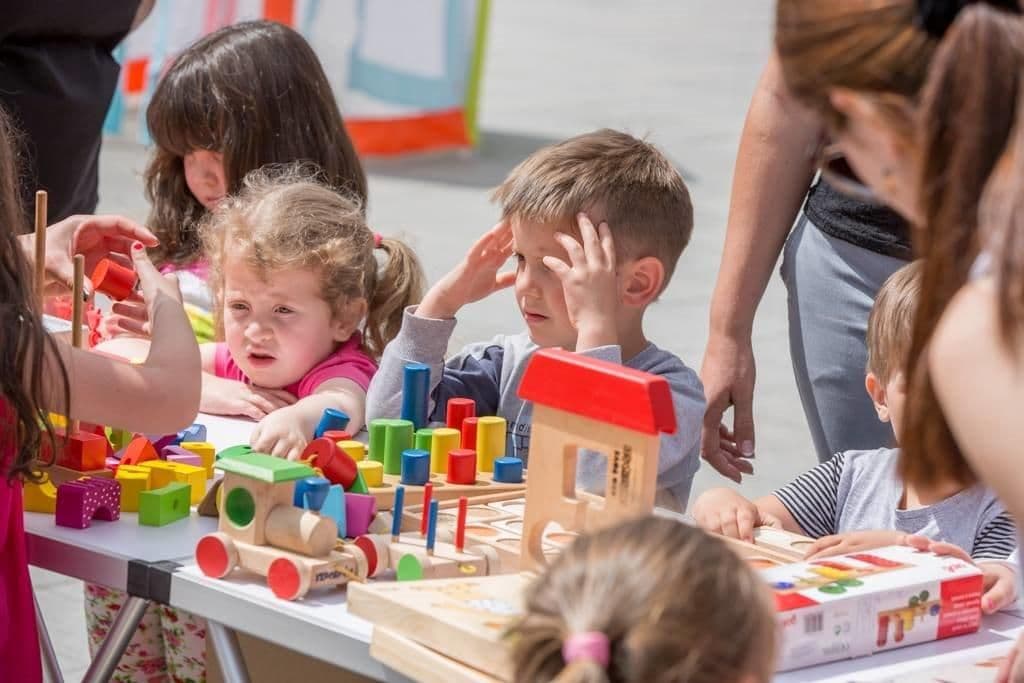
UPDATE: New reports confirm that enrollment in Montenegro’s kindergartens has surged to an alarming 26,786 children for the 2025/26 school year, reflecting a 3.3% increase from the previous year. This spike raises urgent concerns about overcrowding, as many groups exceed the legal limits set by the country’s preschool education law.
Statistics from Monstat reveal that the average number of children per group is now 30.9, far above the legal caps of 8 for infants up to one year old, 12 for ages one to two, and 20 for children aged three to four. In Zeta, groups are particularly overcrowded, averaging an astonishing 45.3 children, while Tuzi follows closely with 39.4 children per group.
The situation is dire, with some municipalities reporting averages as high as 38.7 in Plav and 36.4 in Podgorica. Such overcrowding not only strains resources but significantly impacts the quality of early childhood education across the country. The legal limit for mixed-age groups (ages three to six) is 20, yet many institutions are far exceeding this standard.
In terms of educator workload, the average ratio is now 15.7 children per educator. However, in Zeta, one educator is responsible for a staggering 27.2 children, highlighting the critical staffing challenges facing these institutions.
The gender distribution among enrolled children reveals that 52.3% are boys (14,010) compared to 47.7% girls (12,776), with notable discrepancies in various regions. For instance, Niksic shows a significant male predominance with 1,287 boys compared to 1,137 girls, while Rozaje maintains a balance with equal numbers of both genders.
Private kindergartens, totaling 33 establishments, are also grappling with high enrollment figures. While they report a lower average per group at 13.8, some facilities in Bar and Kotor are nearing distressing averages of 26.5 and 24.8 children, respectively.
According to officials, urgent action is needed to address this crisis in early childhood education. With the numbers rising, parents and educators alike are calling for immediate reforms to ensure that every child receives the attention and education they deserve.
As Montenegro faces this pressing issue, the community awaits government intervention and potential solutions to restore balance in preschool enrollment. Stay tuned for further developments on this critical situation affecting the nation’s youngest learners.