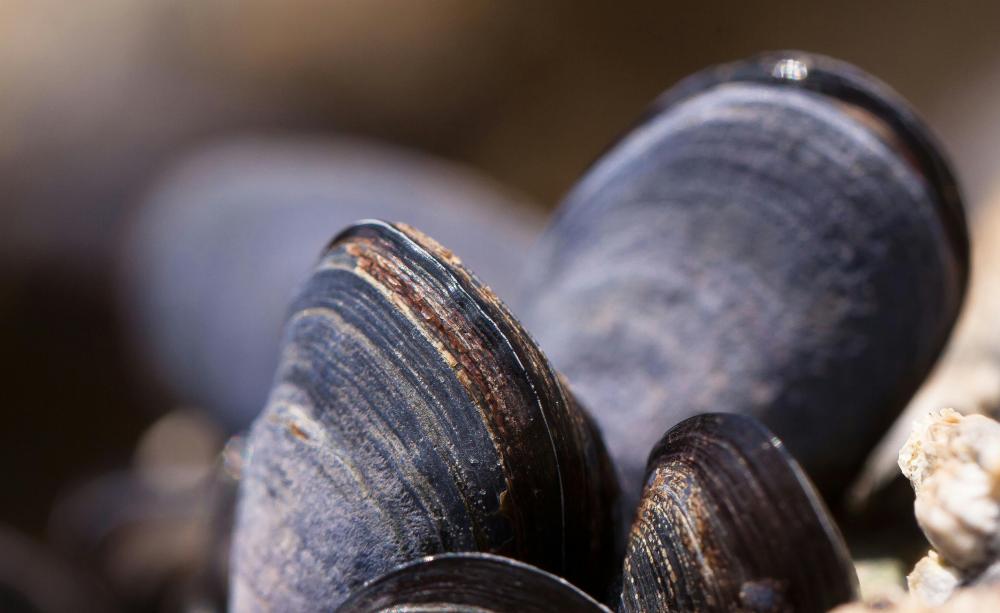
URGENT UPDATE: A shocking ecological crisis is unfolding as nearly all freshwater mussels in the Thames River, London, have disappeared over the last six decades. Only a few survivors remain amid a graveyard of shells, highlighting alarming trends affecting these vital creatures globally.
Recent studies reveal that freshwater mussels are among the most imperiled groups of animals, facing catastrophic declines due to factors like pollution, drought, and disease. Tadeusz Zając, an associate professor at the Polish Institute of Nature Conservation (PAS), warns that climate change plays a significant role in these die-offs, with many events coinciding with summer heatwaves.
The FACEMUSSEL project, led by Zając, is actively investigating the causes of this decline, focusing on populations of the endangered thick-shelled river mussels in Poland and Croatia. Despite similar environmental conditions, mussel populations in Croatia have not experienced the same catastrophic losses as their Polish counterparts.
Freshwater mussels serve as natural water filters, purifying water by removing sediments and pollutants. Without these bivalves, rivers could become murky and more polluted, leading to toxic algal blooms that threaten aquatic life. Zając emphasizes their ecological importance: “Some threads can be broken in the network, but when many threads are broken, the network fails.”
In the backdrop of this environmental crisis, there is a glimmer of hope. Mussel populations have shown resilience in areas where water quality has improved, such as the Nida River in Poland and the Anacostia River in Washington, D.C. Restoration efforts are underway in these regions, with successful reintroductions of the thick-shelled river mussel after pollution levels dropped significantly.
However, the battle against climate change remains daunting. In North America, where close to 300 species of freshwater mussels exist, over 70% are currently at risk of endangerment or extinction. In Europe, the situation is similarly grim, with 12 out of 16 species facing threats, and three critically endangered.
Despite these challenges, experts believe there is potential for adaptation. Zając notes, “The only hope is in evolution—those that survive will create new populations.” This adaptability may offer a lifeline for mussels if they can endure the pressures of climate change.
As the crisis unfolds, the call for urgent action is clearer than ever. Conservationists must rally support to protect these crucial species before it’s too late. The future of freshwater mussels—and the ecosystems they support—hangs in the balance, making this a vital issue for communities and the environment alike.
Stay tuned for more updates as research continues and restoration efforts gain momentum. The fate of our rivers depends on it.