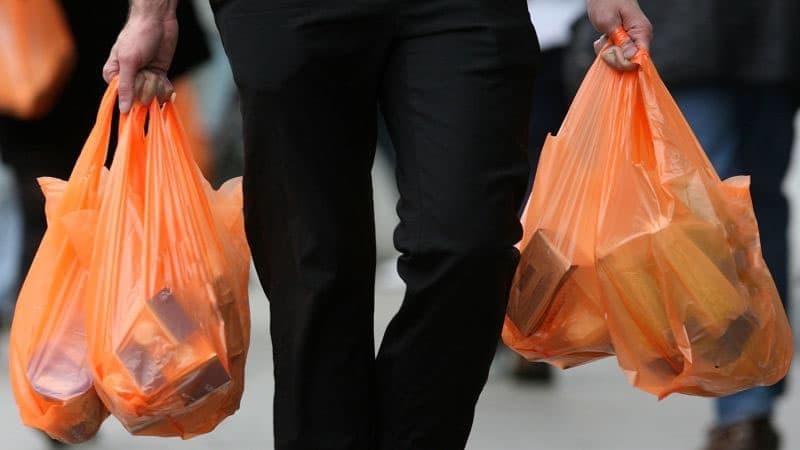
UPDATE: Montenegro’s ban on plastic bags thicker than 15 to 50 microns has officially commenced, yet its effectiveness is already under serious scrutiny. Nina Mihailović from the environmental organization NVO Green Home revealed that while these bags have been removed from the market, they are being replaced with thinner bags and heavier, reusable alternatives, which continue to flood the market.
Mihailović stated, “The intention of the law was clear—to encourage the use of thicker bags multiple times and reduce consumption through financial penalties. However, the measure has not yielded significant ecological benefits.” This alarming situation raises questions about the actual environmental impact of the ban.
According to recent reports, from October 2024 to February 2025, over 10 million plastic bags were sold, generating an astonishing 150 tons of plastic waste in Montenegro. These figures indicate a troubling trend that contradicts the purpose of the legislation and highlights a potential increase in plastic pollution.
Mihailović emphasized, “The current fee for using these bags is simply not enough to motivate citizens to abandon them. This could lead to even more plastic waste, especially since the new bags are often heavier and bulkier than those previously banned.” The ongoing reliance on plastic bags shows a societal preference for convenience over sustainability, raising urgent concerns about environmental awareness.
Despite various campaigns aimed at promoting environmental protection, experts believe that lasting change is slow to materialize. Mihailović pointed out, “Changing societal habits takes time and requires consistent action, along with strong, long-term initiatives to raise awareness about ecological issues.”
The response from businesses has been mixed. While larger retail chains generally comply with the new rules, some smaller markets continue to distribute banned plastic bags. Mihailović noted that there have been only 23 violations identified from 834 inspections, resulting in fines totaling €8,000.
The findings indicate a critical need for greater accountability from not just retailers but also the government. Mihailović stated that the government must take a more active role in enforcing regulations and promoting sustainable practices. “The responsibility lies with those in power who are tasked with implementing environmental protection policies,” she said.
Additionally, Vanja Cicmil from Zero Waste Montenegro remarked that citizens are ready for change, but they need systemic support. “People are increasingly using reusable bags, particularly those aware of the environmental issues,” she said. However, inconsistent messaging, such as offering free plastic bags, undermines these efforts.
Cicmil also identified a gap in enforcement, stating that penalties for violations must be significant enough to instigate real change. “Fines need to be substantial to deter law-breaking, and the funds should be allocated transparently to environmental protection and citizen education.”
As Montenegro grapples with its plastic waste crisis, experts call for a unified approach where government, businesses, and citizens collaborate to foster a sustainable future. The pressing need for immediate action is clear, as the current trajectory threatens not only the environment but public health as well.
In summary, Montenegro’s plastic bag ban is not yielding the intended results, prompting urgent calls for a reevaluation of strategies to curb plastic waste. The situation underscores the necessity for comprehensive solutions and a collective commitment to environmental stewardship. As the nation faces increasing plastic pollution, the question remains: will Montenegro take decisive steps to change its course?