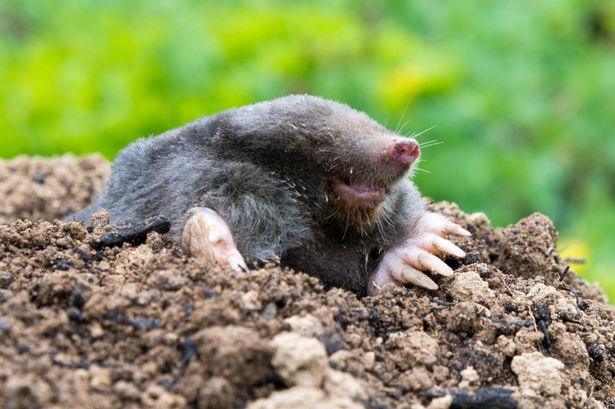
UPDATE: Gardeners facing mole invasions can now take immediate action by planting specific flowers proven to deter these pesky creatures. Experts reveal that certain plants, including daffodils and caper spurge, can effectively keep moles from burrowing through lawns and flowerbeds.
Moles pose a significant problem for gardeners, particularly during spring and autumn, when their tunneling activity peaks. These creatures do not hibernate and are active year-round, making it crucial for homeowners to address the issue promptly. As gardeners increasingly spot unsightly molehills, experts stress that a simple, organic method can help mitigate the problem.
David Fryer, a specialist at Mr Fothergill’s, shared vital advice on keeping moles at bay. With over 30,000 Instagram followers, the company has been a trusted resource for gardeners since 1978. Fryer emphasizes that while moles do not directly harm plants, their burrowing can disturb roots and lead to dead patches in grass.
“Moles don’t harm your plants directly, but they do disturb the roots and cause patches of grass to die as they burrow in the soil for worms and grubs,” Fryer explained. To deter these creatures, he recommends planting euphorbia lathyris (caper spurge), daffodils, and alliums, as moles are known to dislike their scents.
Among these, daffodils stand out as a powerful deterrent. November is typically the last chance to plant daffodils before colder weather sets in, making this an urgent reminder for gardeners. The bulbs contain a toxic chemical called lycorine, which can make moles ill if ingested. This natural toxicity, combined with the chemical leaching into the soil, makes areas with daffodils unattractive to moles.
Experts also point to the caper spurge, colloquially known as the “mole plant.” Its toxic sap is believed to irritate moles, while its thriving in drier soils, where worms are less abundant, may also contribute to its effectiveness. However, its success can vary among gardeners.
Additionally, moles have a strong aversion to alliums, including garlic and chives. When bruised, these plants emit a potent odor that can overwhelm moles and encourage them to vacate the area swiftly. The strong scent acts as a natural repellent, further protecting gardens from unwanted tunneling.
Garden World has provided further insights, stating,
“There are a number of plants which are reputed to keep moles away. Daffodils and marigolds reputedly repel the animals.”
The combination of daffodil toxicity and the aromatic properties of marigolds, which contain natural pyrethrins, enhances their repellent qualities.
As gardeners prepare for the upcoming planting season, taking action now can protect lawns and flowerbeds from moles. The urgency to plant these effective deterrents is clear, particularly with November fast approaching.
For those tired of the unsightly molehills and lawn damage, the solution is available. By planting these specific flowers, homeowners can reclaim their gardens and enjoy a mole-free environment. Don’t wait—act now to deter these furry invaders!