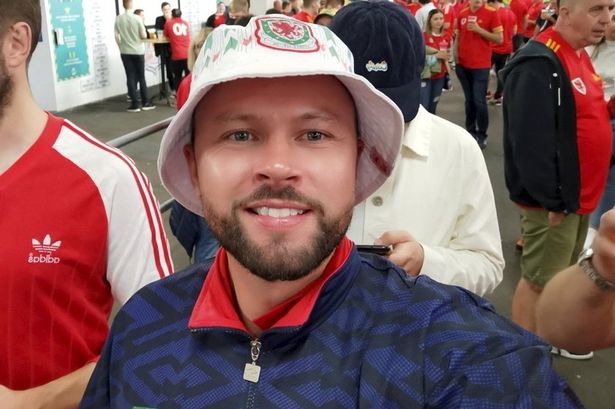
URGENT UPDATE: A shocking diagnosis has turned a Welsh man’s life upside down after he experienced sudden paralysis while enjoying a music festival. Matt Collins, 38, from Aberdare, was rushed to Prince Charles Hospital in Merthyr Tydfil last October after his left arm lost function, revealing a devastating glioblastoma diagnosis.
Just days before his stroke, Collins noticed pins and needles in his arm, but thought little of it. “Then my arm suddenly stopped working, and I knew something was seriously wrong,” he recounted. Scans revealed a tumor the size of a golf ball, and doctors have given him only 12 to 18 months to live.
The urgency of his situation underscores a broader crisis: brain tumors claim more lives among children and adults under 40 than any other cancer, yet treatment options remain alarmingly scarce. Despite enduring debilitating symptoms since July, including “thunderclap” headaches and seizures, Collins was waiting for an MRI when the stroke struck.
Collins underwent chemotherapy following surgery at University Hospital of Wales but faced a grim reality when recent scans showed the tumor’s return. “My recent MRI in November confirmed that the chemotherapy has had no impact and my tumor is still growing,” he stated. “With no cure and limited treatment options, I don’t know what the future holds.”
As he looks for alternatives, Collins turned to fundraising, raising £100,000 to access the personalized vaccine DcVax-L, currently unavailable on the NHS. “I was only able to have the DcVax-L because of the random kindness of strangers,” he explained. However, he could only receive four doses due to improper tissue storage, highlighting a critical issue in patient care.
“Proper tissue storage can change lives; people need to understand how important it is,” Collins emphasized.
Frustrated by limited NHS options, Collins is considering treatment abroad, including a regimen in Germany costing £16,000 per cycle. “It is deeply frustrating to see treatment options available elsewhere in Europe and the USA that aren’t accessible here on the NHS,” he lamented.
Advocacy groups like Brain Tumour Research have pointed out that only one percent of national cancer research funding has been allocated to brain tumors since 2002. Dr. Karen Noble, director of research, policy and innovation, called for immediate investment in research and expanded access to innovative trials. “Matt’s story reflects the devastating reality faced by so many families across the UK,” she said, emphasizing the need for better access to clinical trials.
As Collins continues to navigate this harrowing journey, he urges for systemic changes in the healthcare system, advocating for better funding and access to treatments that could save lives. With the clock ticking, his story serves as a powerful reminder of the urgent need for advancement in brain tumor treatment and advocacy.
This developing situation is a call to action for medical professionals, policymakers, and the public to ensure that no patient faces the same dire circumstances as Matt Collins.