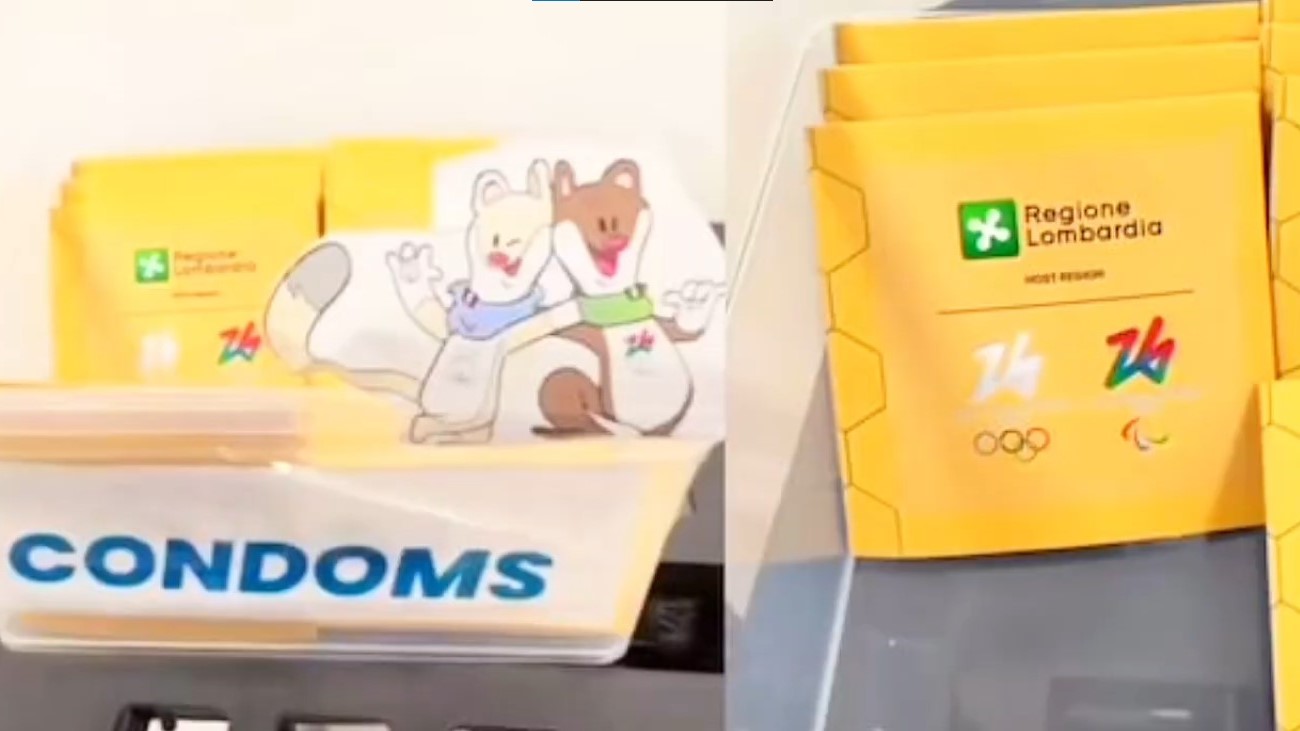
BREAKING: The 2026 Winter Olympics in Milan-Cortina is grappling with a sudden and surprising condom shortage, with athletes reportedly using up the entire supply of 10,000 condoms within just three days of the Games’ opening on February 6, 2026. This urgent logistical challenge has sparked both amusement and concern among competitors and officials.
Reports from the Italian daily La Stampa confirm that the initial stock of condoms, intended for athletes in the Olympic Village in Cortina d’Ampezzo, was completely depleted by the third day of competition. While this practice has been a tradition since the 1988 Seoul Olympics to promote sexual health, the unexpected demand has raised questions about the adequacy of supplies.
Officials have acknowledged the shortfall and are urgently arranging additional shipments, though a specific delivery schedule has not been provided. An anonymous athlete quoted by La Stampa expressed frustration, stating, “The supplies ran out in just three days. They promised us more will arrive, but who knows when?”
The International Olympic Committee (IOC) typically distributes condoms to promote safe sex and reduce sexually transmitted infections among athletes. In stark contrast to the approximately 300,000 condoms provided during the 2024 Summer Olympics in Paris, the allocation for Milan-Cortina was significantly lower, translating to about three condoms per athlete over the initial three-day period.
In a statement, Attilio Fontana, Lombardy’s regional governor, defended the practice of providing free condoms, emphasizing its importance in raising awareness about health issues. He stated, “Yes, we provide free condoms to athletes in the Olympic Village. If this seems strange to some, they’re unaware of the established Olympic practice.”
The rapid depletion of condoms has led to widespread commentary on social media, with many questioning the logistical planning behind the allocation. Observers note that the smaller scale of the Winter Olympics, which accommodates fewer athletes than the Summer Games, may have contributed to the conservative estimate of condom needs. However, the quick consumption indicates a misjudgment of demand patterns.
The shortage presents a tangible issue for organizers aiming to ensure that athletes have uninterrupted access to safe-sex resources throughout the duration of the Games. While officials are working on additional supplies, they face the challenge of managing distribution logistics for nearly 3,000 athletes and their support staff living in close quarters.
As the situation develops, it remains crucial for organizers to address this unexpected challenge promptly. The Winter Olympics, known for fostering camaraderie and interaction among athletes, must ensure that health resources are readily available to maintain a safe environment.
Stay tuned for updates on this urgent situation as officials work to resolve the condom shortage at the Milan-Cortina Winter Olympics.