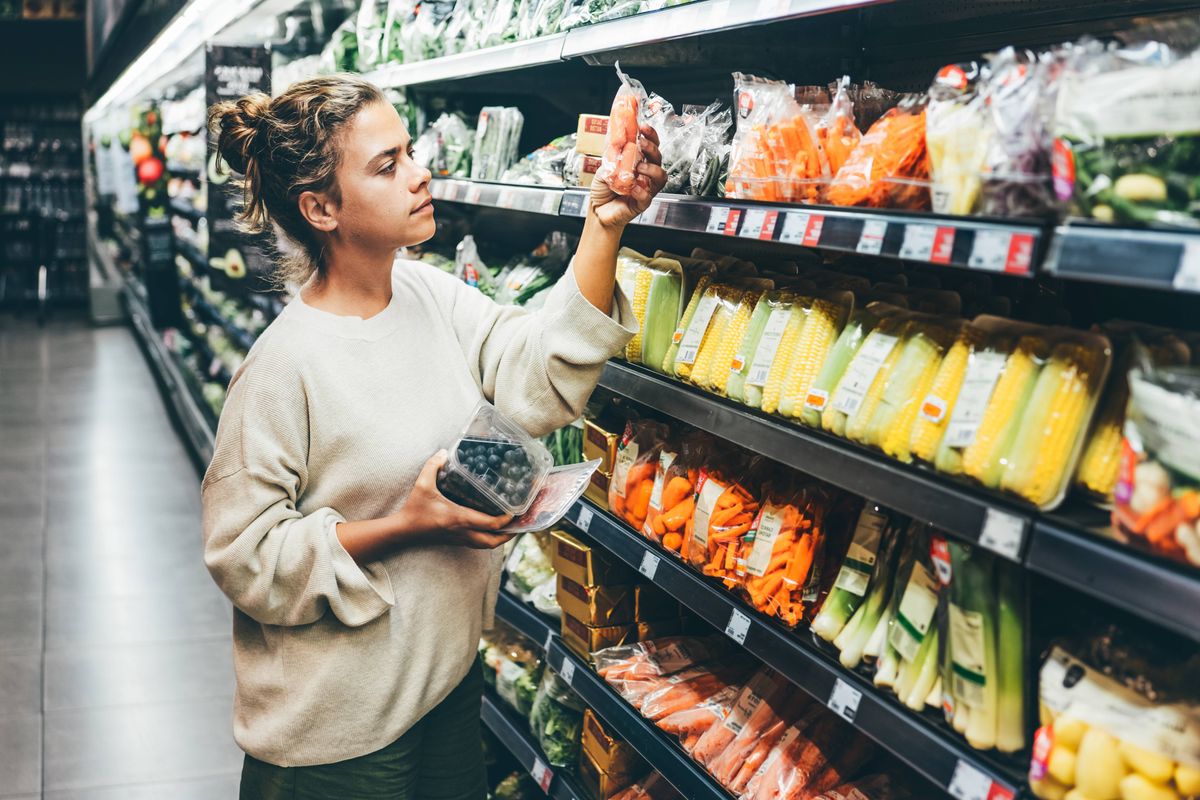
A cancer dietitian has outlined ten actionable dietary and lifestyle changes that may help reduce the risk of cancer. Nichole, known as The Oncology Dietitian, uses social media to share practical advice for those looking to improve their health. While no method guarantees cancer prevention, her recommendations offer valuable insights for individuals aiming to adopt healthier habits.
Alcohol Consumption and Cancer Risk
Nichole emphasizes that any type of alcohol consumption increases the risk of at least six types of cancer. According to Cancer Research UK, alcohol consumption correlates with heightened cancer risk. Although drinking does not ensure cancer development, the likelihood increases in proportion to the amount consumed. Even beverages perceived as healthier carry risks, as the harmful effects stem from the alcohol itself. Reducing alcohol intake can therefore significantly lower cancer risk.
Importance of Whole Grains and Calcium
When choosing grains such as noodles, rice, or bread, Nichole advises opting for whole grains due to their higher fiber content, which can help reduce the risk of colorectal cancer. Cancer Research UK highlights that a high-fiber diet, rich in whole grains, can lower the likelihood of bowel cancer. Not all cases can be prevented, but a fiber-rich diet supports bowel health and aids in weight management.
Furthermore, Nichole points out the benefits of calcium, noting that an additional intake of 300 mg daily—approximately the amount found in a large glass of milk—could be associated with a 17% reduction in bowel cancer risk, according to recent research funded by Cancer Research UK. She encourages the inclusion of milk in daily meals as a healthy staple.
Research from the American Institute for Cancer Research indicates that dietary fiber and compounds found in pulses may enhance gut health, although further studies are necessary to understand their role in cancer prevention fully. Nonetheless, there is strong evidence suggesting that fiber-rich foods may reduce colorectal cancer risk.
Incorporating Soy and Increasing Activity
Nichole advocates for the reintroduction of soy products in diets, citing their potential to provide antioxidants and lower cancer risk. The Mayo Clinic states that soy may help reduce cancer risk through isoflavones, which act as weak, plant-based estrogens. These compounds may prevent stronger natural estrogens from binding to cells, potentially lowering the risk of hormone-related cancers, including breast, ovarian, and prostate cancers.
In an age where many jobs require prolonged sitting, Nichole highlights the necessity of regular movement throughout the day. She asserts, “Being more active will reduce the risk of cancer.” Sedentary lifestyles can lead to metabolic and hormonal changes that contribute to tumor development. Regular physical activity is linked to decreased body fat and improved immune function, both of which play a role in cancer prevention. Cancer Research UK recommends that adults aim for 150 minutes of exercise each week.
Consultation and Dietary Balance
Nichole suggests evaluating the necessity of dietary supplements, advising individuals to consult their general practitioner before making any changes. It is crucial to weigh the benefits and risks of supplements, as certain medications are vital for health. For instance, instead of relying on Vitamin C supplements, individuals might consider increasing their dietary intake of the vitamin.
The NHS recommends consuming five portions of fruits and vegetables daily, noting that all varieties can contribute to this target, making it more achievable than often perceived. Fresh produce does not need to be consumed exclusively to count toward daily intake, as fruits and vegetables included in meals also contribute to overall consumption.
Following these recommendations can aid in lowering body fat levels, which is essential for reducing cancer risk. Cancer Research UK explains that weight loss can decrease levels of hormones like estrogen and insulin, which promote cancer cell growth. Excess body fat is linked with at least 13 types of cancer, and reducing weight can reverse harmful conditions that foster cancer development.
If individuals have any concerns about their health or dietary choices, consulting with a healthcare professional is always advisable. By implementing these ten dietary changes, individuals may take proactive steps toward lowering their cancer risk and enhancing their overall health.