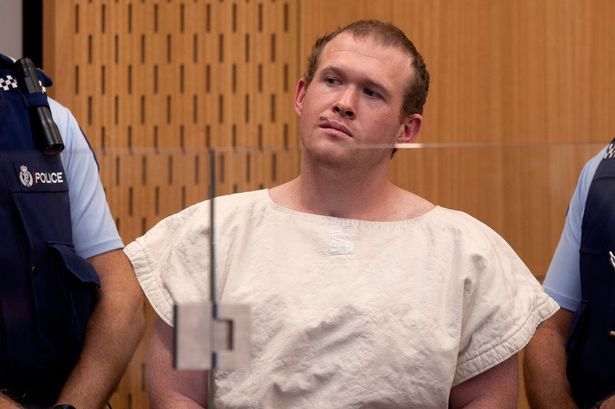
Brenton Tarrant, the man responsible for the tragic mass shooting at two mosques in Christchurch, New Zealand, on March 15, 2019, is seeking to withdraw his guilty plea. Tarrant, who killed 51 people and injured many others, claims he was not fit to plead to the charges of terrorism, murder, and attempted murder. His request is under review by a panel of three judges at the Court of Appeal in Wellington.
The appeal process will unfold over five days, allowing Tarrant to present evidence supporting his assertion that he was coerced into admitting his guilt due to the psychological effects of harsh prison conditions. If successful, this could pave the way for a new trial, reversing the plea he entered in March 2020, just before his trial was set to begin.
Tarrant, an Australian self-identified white supremacist, meticulously planned the attack and live-streamed it on social media. He had amassed a significant arsenal of semiautomatic weapons and crafted a lengthy manifesto outlining his motivations. This attack has been described as one of New Zealand’s darkest moments, leading to a national outcry and legislative changes aimed at curbing hate speech and extremism.
During the hearing, Tarrant appeared via video from Auckland Prison, where he has been held in solitary confinement. He reported a decline in his mental health due to limited social interaction and reading materials. Tarrant expressed in court that he experienced “nervous exhaustion” and uncertainty regarding his identity when he pleaded guilty. He stated that he felt there were “little else I could do” at the time, suggesting that his plea was made under duress.
Crown lawyer Barnaby Hawes challenged Tarrant’s claims, suggesting he had alternative options, such as requesting a delay based on mental health grounds or pursuing a defense at trial. Hawes also noted a lack of documented evidence of Tarrant being in a serious mental health crisis, questioning the validity of Tarrant’s claims.
Tarrant countered by asserting that he had sought to present himself as confident and mentally stable throughout the legal process, as he believed this reflected the ideals of the political movement he is associated with. Despite his claims of mental distress, he acknowledged having access to legal counsel during his proceedings.
The hearing has been conducted under strict security measures, limiting attendance to select media representatives and victims’ families. Tarrant’s lawyers have requested name suppression due to safety concerns related to their representation of him.
Appeals in New Zealand must typically be filed within 20 working days, but Tarrant’s application was submitted approximately two years late, with Tarrant attributing the delay to a lack of access to necessary information. The judges are expected to issue their decision at a later date, and if they deny Tarrant’s request to withdraw his plea, a subsequent hearing will address his appeal against the life sentence he received without the possibility of parole—a first in New Zealand.
The ramifications of this case extend beyond the courtroom, as it continues to spark discussions on mental health, justice, and the impact of hate crimes on communities. The outcome of Tarrant’s appeal could have significant implications for the legal landscape in New Zealand, particularly regarding how cases of this nature are managed in the future.