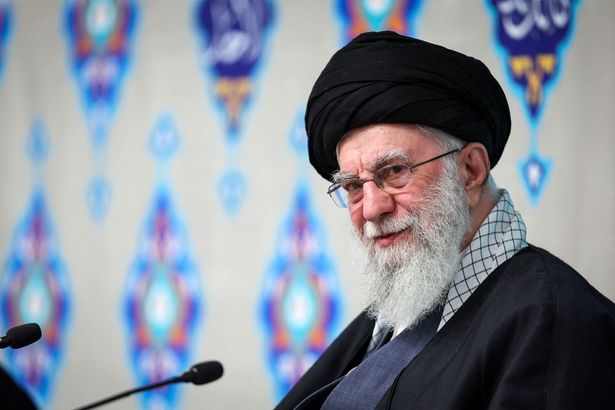
Reports indicate that tensions in the Middle East have escalated sharply following a series of airstrikes by the United States and Israel targeting key figures within the Iranian regime. Claims have emerged from Israeli officials asserting that Ayatollah Ali Khamenei, Iran’s supreme leader, “no longer exists,” while Iranian authorities insist he is alive. The strikes, described as “Epic Fury” by the US government, have resulted in significant chaos and fear across Iran, particularly in Tehran and other major cities.
Early on the morning of March 15, 2024, explosions rocked multiple locations, including Khamenei’s compound in central Tehran. According to various sources, the attacks have reportedly killed two senior Iranian leaders, although the identities of the casualties have not been confirmed. The Iranian regime responded by launching retaliation strikes targeting Israel and several countries in the region that host US military bases, including Qatar and the United Arab Emirates.
As the situation unfolds, questions regarding the wellbeing of Khamenei have intensified. Satellite imagery revealed damage to his compound, raising concerns among observers about his status. In a speech delivered on the evening of March 15, Israeli Prime Minister Benjamin Netanyahu labeled Khamenei a “tyrant” and asserted that “all indications show this tyrant is no longer with us.” He urged the Iranian populace to seize a “once in a generation chance” to overthrow the regime, calling for mass protests against it.
In contrast, Abbas Araghchi, Iran’s Foreign Minister, stated that, as far as he knows, Khamenei is still alive. Speaking to NBC News, Araghchi acknowledged that Iran had lost “one or two commanders” but denied reports of the supreme leader’s death. An Iranian foreign ministry spokesperson later confirmed that “they are all safe and sound,” while also acknowledging the loss of some commanders due to the strikes.
Images from the scene show that at least four buildings within Khamenei’s compound were struck. However, there are indications that he may have been relocated prior to the attack. Speculation regarding the fate of other top military officials, including Defense Minister Amir Nasirzadeh and Mohammed Pakpour, commander of the Revolutionary Guard, has also surfaced, but the situation remains unclear.
As the region grapples with the aftermath of these attacks, the international community is closely monitoring developments. With tensions running high, the potential for further escalation remains a critical concern. Many observers are left wondering about the implications of these events for Iran’s political landscape and its relations with neighboring countries.