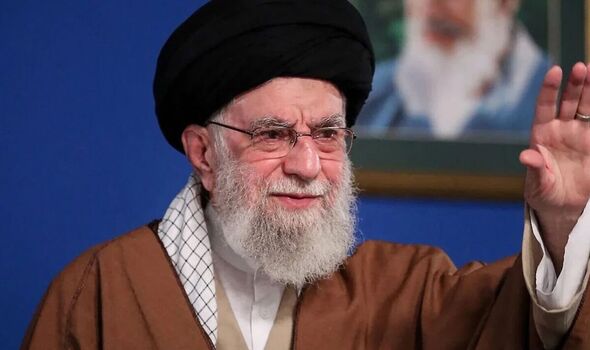
Iran’s Supreme Leader, Ali Khamenei, has publicly criticized former U.S. President Donald Trump, attributing the ongoing protests in Iran to his actions and policies. Khamenei’s remarks came during a speech addressing the unrest that has swept across the nation in recent weeks. The protests, which began in response to various social and political grievances, have intensified, drawing attention from both domestic and international observers.
In his address, Khamenei stated that Trump should “focus on the problems in America” instead of meddling in Iranian affairs. This comment reflects a broader narrative often employed by Iranian officials, who frequently accuse Western leaders of failing to address their own nation’s issues while criticizing Iran. Khamenei’s remarks were made against the backdrop of significant unrest in Iran, where citizens have been expressing their dissatisfaction with economic conditions, government policies, and social restrictions.
The protests have gained momentum since they first erupted in September 2022, sparked by the death of Mahsa Amini, a young woman who died while in the custody of the morality police for allegedly violating Iran’s strict dress code. Amini’s death ignited widespread demonstrations, which have since transformed into a broader movement against the Iranian government.
International Response and Domestic Impact
The Iranian government’s response to the protests has drawn widespread condemnation from human rights organizations, which have reported numerous instances of violence against protesters. According to Amnesty International, security forces have employed excessive force, resulting in hundreds of deaths and thousands of arrests since the protests began. The organization has called for an end to the crackdowns and for the Iranian government to respect the rights of its citizens to peacefully assemble and express their views.
Khamenei’s comments regarding Trump also highlight the ongoing geopolitical tensions between Iran and the United States. Relations have been strained since the U.S. withdrew from the Joint Comprehensive Plan of Action in 2018, a deal aimed at curtailing Iran’s nuclear program. The fallout from that decision has not only affected diplomatic relations but has also exacerbated economic challenges within Iran.
As the protests continue, the Iranian government faces mounting pressure to respond to the demands of its citizens. Many protesters are calling for significant reforms, including greater personal freedoms and an end to systemic corruption. The situation remains fluid, with both domestic and international stakeholders closely monitoring developments in Iran.
Khamenei’s remarks serve as a reminder of the complex interplay between domestic unrest and international relations. As protests persist, the Iranian leadership’s focus on external figures like Trump may be indicative of an effort to divert attention from internal challenges.
The future of the protests and the Iranian government’s response will likely shape the political landscape in the country for years to come. With the potential for further escalation, both the Iranian populace and international observers are awaiting the next steps from the government and its leadership.