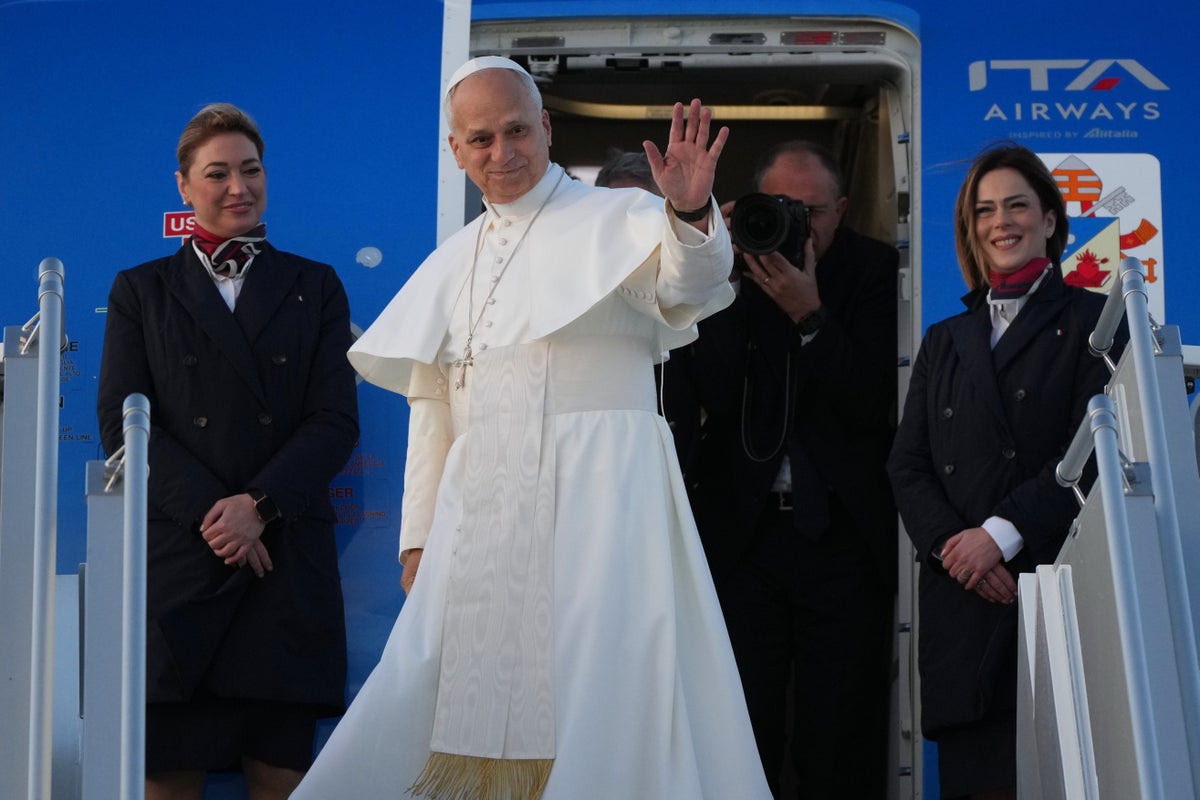
Pope Leo XIV is set to embark on his first foreign trip to Turkey on March 7, 2024, aiming to advance peace efforts amid ongoing conflicts in Ukraine and the Middle East. This visit fulfills the plans of the late Pope Francis, as Leo seeks to underscore the significance of the upcoming 1,700th anniversary of the Council of Nicaea. His itinerary includes a crucial meeting with Turkish President Recep Tayyip Erdogan in Ankara, followed by three days of ecumenical and interfaith discussions in Istanbul.
The pope’s journey arrives at a pivotal moment for Turkey, a nation of over 85 million predominantly Sunni Muslims, which plays a vital role as an intermediary in peace negotiations involving Ukraine and Gaza. Ankara has previously hosted talks between Russia and Ukraine and has expressed willingness to contribute to a stabilization force in Gaza to maintain a fragile ceasefire. These diplomatic efforts may receive acknowledgment from Pope Leo during his visit.
Despite the significance of the trip, many Turkish citizens appear more preoccupied with a severe cost-of-living crisis than with international affairs. The economic turmoil, largely attributed to domestic political instability, has overshadowed Leo’s visit, particularly outside the small Christian community in Turkey. Local shop owner Metin Erdem expressed skepticism, noting, “If the pope is visiting, that means America wants something from Turkey.”
This visit is particularly notable as it marks the first time a sitting pope has traveled to Turkey since the late Pope Francis in 2014. His primary objective is to commemorate the Council of Nicaea, Christianity’s first ecumenical council, which took place in 325 AD. The pope plans to pray with Ecumenical Patriarch Bartholomew, the spiritual leader of Orthodox Christians, at the historical site in present-day Iznik, where he will also sign a joint declaration promoting Christian unity.
Strengthening Interfaith Relations
Pope Leo’s visit is not solely focused on strengthening ties with Orthodox Christians; it also aims to enhance relations with the Muslim community. He is scheduled to visit the Blue Mosque and participate in an interfaith meeting in Istanbul. Imam Asgın Tunca, who will welcome the pope at the mosque, highlighted the potential for this visit to foster better Christian-Muslim relations and counter prevalent prejudices about Islam. “We want to reflect that image by showing the beauty of our religion through our hospitality — that is God’s command,” Tunca stated.
Since coming to power in 2002, Erdogan’s government has implemented reforms to improve the rights of religious groups, including the reopening of places of worship and the return of confiscated property. Nonetheless, challenges remain for Christian communities in Turkey, particularly regarding legal recognition. The US State Department has reported that some Christian groups face bureaucratic obstacles when registering churches. The Catholic Church, with approximately 33,000 members in the country, lacks formal legal recognition, leading to numerous challenges.
A Delicate Diplomatic Balancing Act
The pope’s visit will culminate on March 10, 2024, with a stop at the Armenian Apostolic Cathedral in Istanbul. The cathedral has hosted all popes visiting Turkey since Pope Paul VI, except for Francis, who met with the Armenian patriarch in a hospital during his last trip. Francis’s 2015 declaration of the Armenian genocide as “the first genocide of the 20th century” sparked significant diplomatic tensions with Turkey, which has long denied that a genocide occurred.
Pope Leo, known for his more cautious approach compared to his predecessor, is likely to navigate this sensitive issue carefully. His statements on Turkish soil will be closely monitored to avoid any diplomatic fallout. The Vatican’s relationship with Armenia is also under scrutiny following its recent overtures to Azerbaijan, which have been met with criticism.
As Pope Leo XIV embarks on this historic journey, the implications of his visit extend beyond religious observance. It represents an effort to bridge divides, foster dialogue, and promote peace amid complex geopolitical tensions.