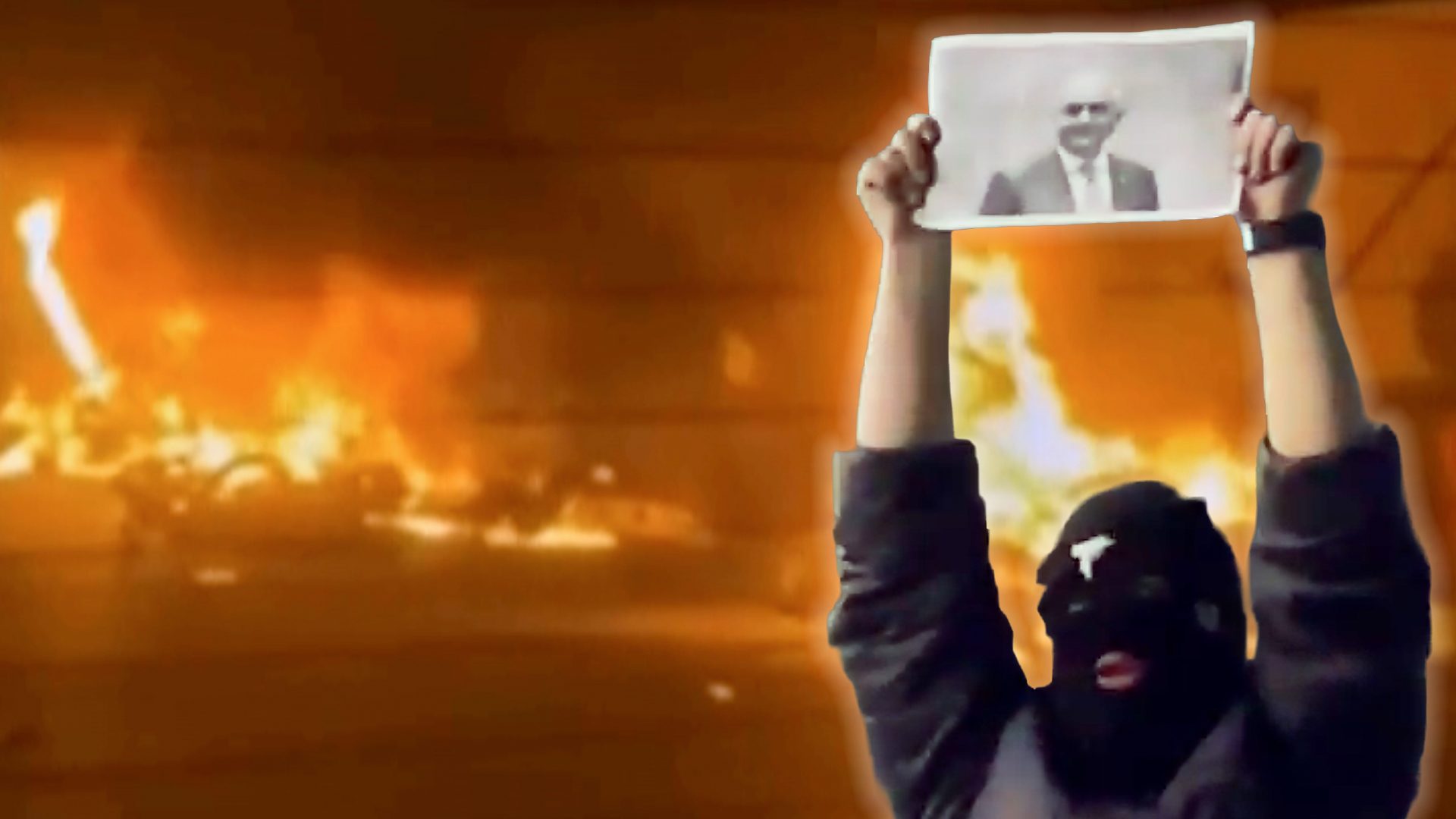
Protests in Iran have escalated dramatically over the past two weeks, leading to the deaths of dozens of individuals and the arrest of more than 2,000 people, according to reports from a prominent human rights organization. The unrest has persisted despite a government-imposed internet blackout, which has restricted access to mobile phone services and made communication increasingly difficult for demonstrators.
The protests reportedly began as a response to economic grievances and have since evolved into a broader movement against the Iranian government. Demonstrators have taken to the streets in various cities, including Tehran and Isfahan, demanding political reforms and greater personal freedoms. Eyewitness accounts describe scenes of chaos as security forces confront protestors with force.
Government Response and International Reactions
The Iranian authorities have defended their actions, claiming the protests are being orchestrated by foreign adversaries aiming to destabilize the nation. In a statement, the Interior Ministry emphasized its commitment to maintaining order and has vowed to take decisive measures against those it deems responsible for inciting violence.
International reactions have varied, with human rights advocates calling for urgent intervention. According to the Iran Human Rights Organization, the situation has reached a critical point, with reports of arbitrary detentions and excessive use of force by security personnel. The organization has urged the global community to condemn the Iranian government’s actions and to demand accountability for the violence.
The Impact on Society and Future Prospects
The ongoing unrest has significant implications for Iranian society. Many citizens are expressing frustration over economic hardships, including rising inflation and high unemployment rates. The government’s internet shutdown aims to limit the spread of information and mobilization efforts, but it has also fueled public anger and resistance.
As the protests continue, the future remains uncertain. Activists warn that the government’s crackdown could lead to further escalation and violence. Observers are closely monitoring the situation, anticipating both domestic and international responses that could shape the trajectory of these protests in the coming weeks.
In summary, the protests in Iran represent a critical moment in the nation’s history, revealing deep-rooted dissatisfaction with the current regime. With dozens dead and thousands arrested, the situation underscores the challenges of governance and civil liberties in the country, raising concerns about the potential for further unrest.