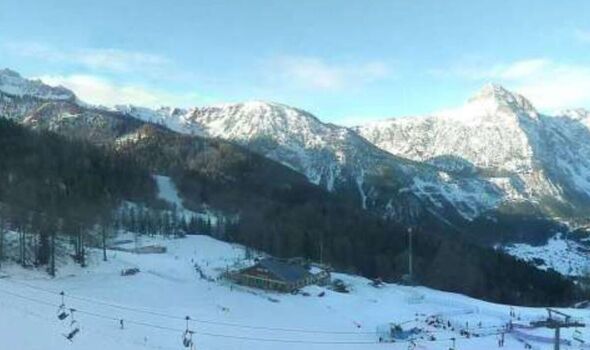
A significant reduction in snowfall has raised alarms for Italian ski resorts, which are crucial to the local economy and winter tourism. With the Christmas holidays approaching, skiers from across Europe have begun making plans for trips to the Alps. This year, however, many resorts are grappling with what has been described as the lowest snowfall in 60 years, prompting concerns about the viability of the winter season.
The impact of diminished snowfall is felt most acutely in the Piedmont ski region, home to renowned resorts such as Sauze d’Oulx and Claviere. These locations have historically attracted thousands of visitors, making them vital to the region’s economy. A report from Italy’s National System for Environmental Protection (SNPA) revealed that the snowfall deficit in Piedmont has reached between 20% and 40%, marking it as one of the least snowy seasons on record, particularly at lower altitudes.
The 2024-25 season has been characterized by a late start, with milder temperatures affecting the availability of natural snow. Areas below 1,800 to 2,000 meters have seen particularly poor conditions, further complicating the situation for local businesses that rely on winter tourism. The report indicated that the number of days with snow on the ground has decreased significantly, with deficits ranging from 20% to 50% in southern sectors.
In response to these challenges, Italian ski resorts have been investing heavily in infrastructure. Last season, over €300 million (£264 million) was spent on new lifts and snow-making equipment, underscoring the importance of maintaining high-quality facilities in the face of climate change. The skiing industry in Italy generates an annual turnover of approximately €11 billion, making continuous investment critical for its sustainability.
While Italy faces unique challenges, it is not alone. Other European skiing nations are also grappling with warmer winter temperatures. Despite a promising snow cover and freezing conditions at the end of November, many resorts subsequently experienced unseasonably mild weather, leading to significant melting of the pre-season snow.
As the ski season progresses, stakeholders in the tourism sector are anxiously monitoring conditions, hoping for colder weather and more snowfall. The future of winter tourism in Italy and beyond may depend on how effectively resorts can adapt to these changing climatic conditions.