The ongoing efforts to reform Montenegro’s electoral system have hit a significant roadblock following the nullification of the second public competition to select the president and members of the Central Election Commission (CIK). None of the candidates for the presidential position met the required criteria, raising concerns about the future of the long-awaited electoral reforms.
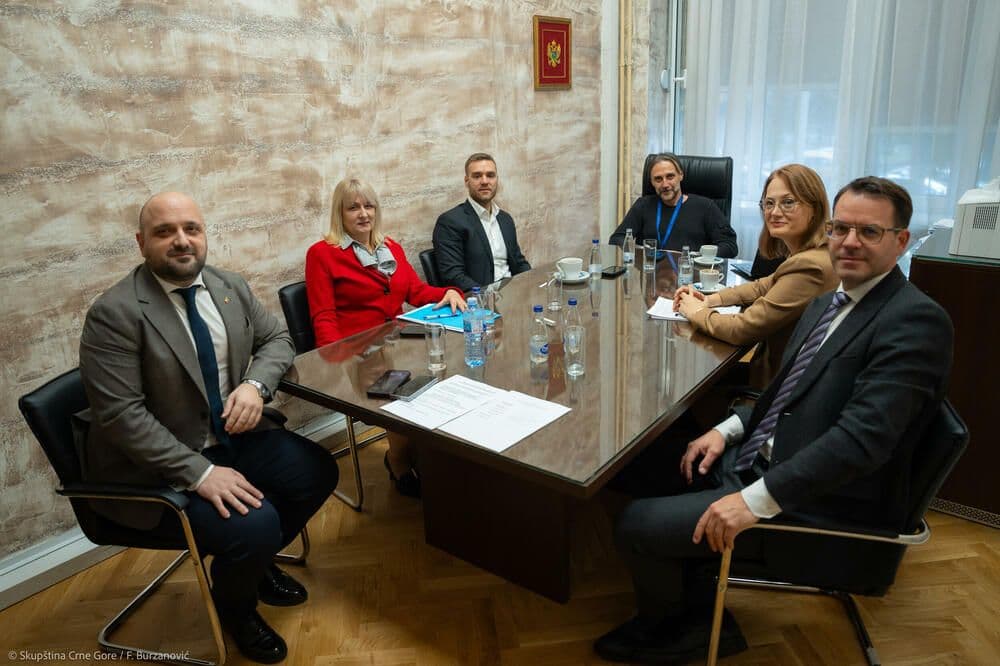
The CIK, chaired by Minister of Justice Bojan Bozovic, announced that while some candidates fulfilled the qualifications for membership, the process could not advance without a presidential nominee. Consequently, the commission decided to issue a new call for applications. This development has intensified scrutiny regarding the mechanisms in place for selecting CIK leadership.
Challenges Facing Candidate Selection
Commenting on the situation, Professor Nikoleta Djukanovic from the University of Donja Gorica emphasized that the failure of the competition cannot be attributed solely to formal legal standards. She noted that the pool of legal experts familiar with Montenegro’s electoral and party systems is relatively small, which inherently limits the number of qualified candidates.
According to Djukanovic, the political dynamics surrounding the selection of CIK members cannot be overlooked. Despite legal assurances, the potential for political entities to influence the nomination process remains prevalent. “The attempt by political actors to sway the selection of ‘preferred’ candidates will always exist, regardless of formal restrictions,” she stated. This inherent politicization could deter qualified professionals from applying for the position, thereby complicating the selection process further.
Djukanovic also pointed out a broader political context, suggesting that some political stakeholders may benefit from delaying the electoral cycle. “The legal conditions seem designed to formally depoliticize the process, yet they effectively prolong and obstruct it,” she commented. She concluded that any amendments to the electoral laws would only be meaningful if they came with a genuine political commitment to treat the CIK as an independent institution rather than a battleground for political competition.
Prospects for Future Elections
In response to questions regarding the reasons behind the competition’s failure, Nikola Rakocevic, a member of the Democratic Party of Socialists and co-chair of the Comprehensive Electoral Reform Committee, expressed optimism. He acknowledged that while high standards are mandated by law, there is no immediate need to reconsider these criteria.
Rakocevic highlighted that the absence of a presidential candidate does not imply that no applicants met the criteria for CIK membership. “The commission cannot evaluate candidates for membership without a proposed president,” he explained. He assured that a third public call for applications will be issued, adhering strictly to professional and legal standards, ultimately aiming to foster a depoliticized and competent CIK.
When asked if the repeated competitions indicate a shortage of qualified professionals, Rakocevic remained hopeful. “Montenegro possesses sufficient human resources to build independent and professional institutions,” he stated. He attributed the strict criteria in previous competitions to the commission’s determination to uphold the essential principles of expertise and depoliticization.
The CIK’s decision to repeat the public competition arose from a meeting held on February 10, 2024. The commission clarified that the lack of qualified presidential candidates rendered the evaluation of candidates for membership pointless. They announced that they would unanimously proceed with a new public competition and notify the Administrative Committee of their decision in writing.
The CIK has encouraged all eligible individuals to apply for the renewed call, aiming to enhance the competitiveness of the selection process. “We believe that the transparency of our operations and strict adherence to laws and procedures demonstrated thus far will serve as strong motivation for those who may have previously hesitated to participate in similar elections,” the commission concluded in their announcement.