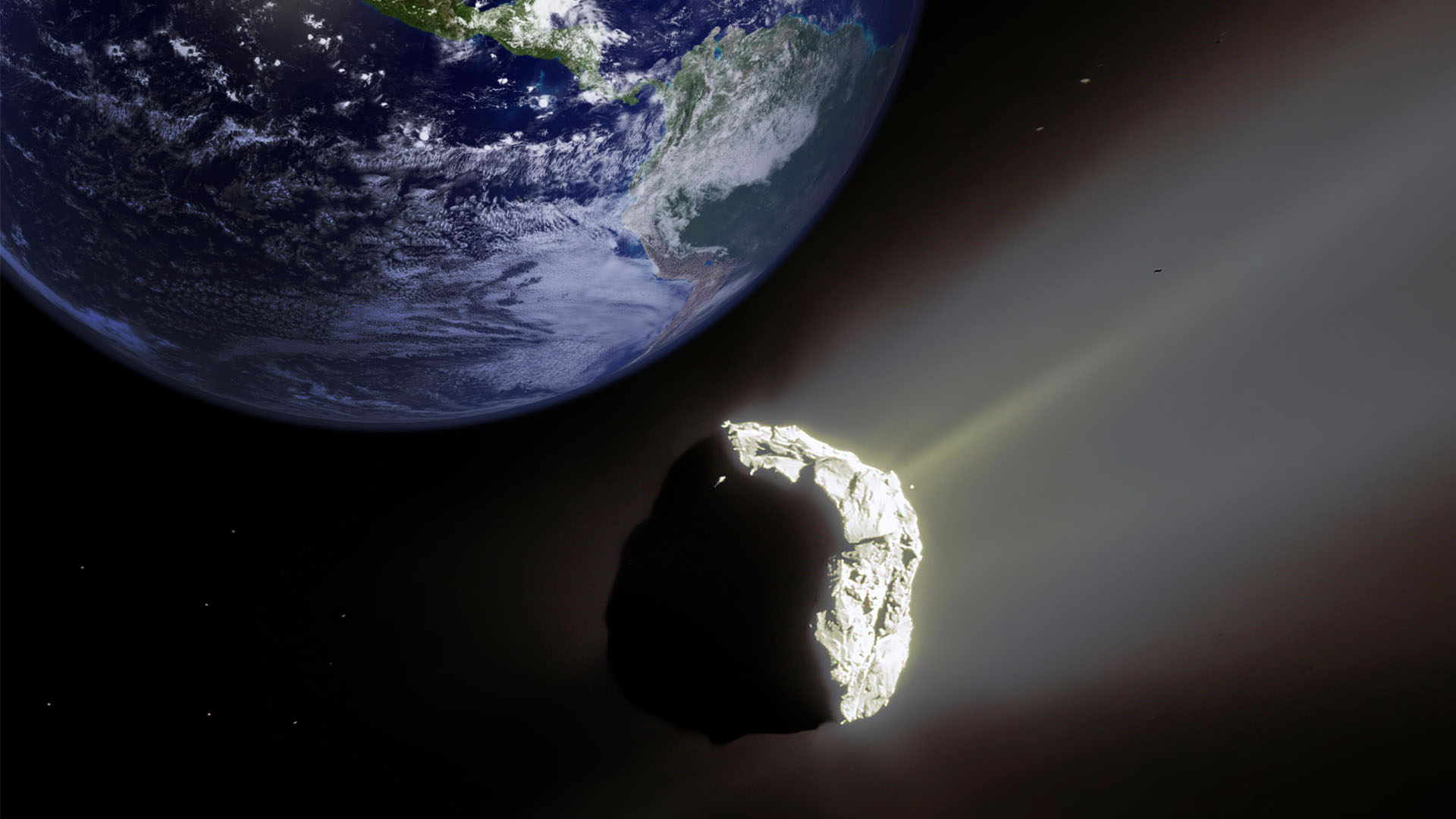
NASA has provided an important update regarding the asteroid designated as 2024 YR4, which scientists previously warned posed a risk of colliding with the Moon. This asteroid, measuring approximately 220 feet in diameter, was first discovered in late 2024. Initial assessments suggested that the asteroid could potentially impact Earth, but this possibility has since been ruled out.
Recent analyses indicate that 2024 YR4 is projected to approach the Moon at an impressive speed of 38,000 miles per hour. While the asteroid’s trajectory does not pose a direct threat to Earth, scientists remain vigilant in monitoring its path. The potential for a lunar impact is of significant interest, as such collisions can provide valuable insights into the dynamics of celestial objects.
Understanding the Risks and Monitoring Efforts
Asteroids, particularly those classified as “city killers,” are under constant scrutiny due to their potential to cause considerable damage upon impact. The term refers to objects capable of causing widespread destruction if they were to collide with populated areas. NASA’s ongoing research into 2024 YR4 is part of a broader effort to identify and mitigate the risks posed by near-Earth objects.
NASA’s scientists utilize advanced observational techniques and computational models to predict the behavior of asteroids. These tools have been essential in determining that 2024 YR4 will not impact Earth, allowing researchers to focus on its possible interaction with the Moon. The agency emphasizes the importance of sharing findings with the public, as awareness of such threats contributes to preparedness and safety.
Future Implications of Asteroid Research
The study of asteroids like 2024 YR4 extends beyond immediate threats. Understanding their composition and behavior can enhance our knowledge of the solar system’s history and evolution. Furthermore, it informs potential future missions aimed at asteroid deflection or resource extraction.
NASA’s commitment to planetary defense is reflected in its various initiatives, including the upcoming DART (Double Asteroid Redirection Test) mission, which aims to test the feasibility of altering an asteroid’s trajectory. Such advancements are crucial not only for planetary defense but also for our growing interest in space exploration.
As researchers continue to monitor 2024 YR4, NASA remains dedicated to transparency and public engagement. Regular updates on asteroid tracking and potential risks will help cultivate an informed public, ready to understand and address the challenges posed by these fascinating celestial bodies.