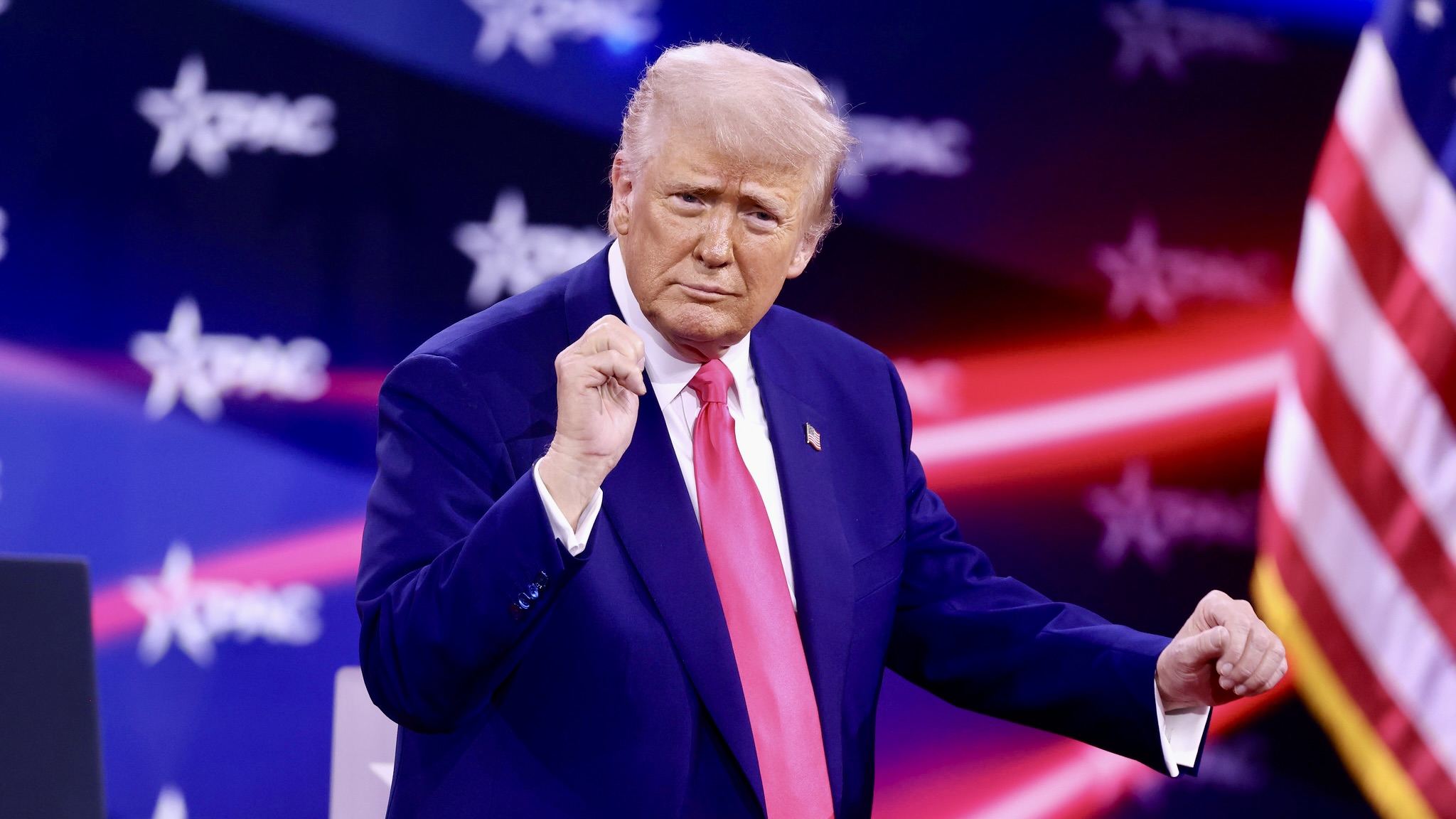
The political landscape surrounding the Ukraine conflict has drawn attention to the dealings between Russian President Vladimir Putin and former U.S. President Donald Trump. Reports indicate that these interactions have played a significant role in shaping U.S. foreign policy towards Ukraine amidst ongoing tensions between Russia and its neighbor.
The relationship between Trump and Putin has been scrutinized since the 2016 Presidential Election, where allegations of Russian interference emerged. Concerns intensified during Trump’s presidency as he often expressed admiration for Putin and challenged traditional U.S. alliances, including NATO. The implications of this dynamic are particularly relevant given the backdrop of Russia’s military actions in Ukraine.
As the conflict escalated, Trump’s administration faced pressure from both political opponents and members of his own party to take a firmer stance against Russia. In 2020, the National Security Council raised alarms regarding Russia’s military buildup near Ukraine’s borders, prompting discussions on how to respond effectively. Despite these concerns, Trump’s rhetoric often cast doubt on the necessity of a strong U.S. response, which further complicated relations with key European allies.
Political Ramifications and Public Perception
The ongoing conflict has led to a polarized view of Trump’s dealings with Russia. While supporters argue that Trump sought to engage with Putin to foster dialogue, critics contend that his actions undermined U.S. national security interests. In a politically charged environment, the former president’s connections to Russia have led to various investigations and claims of collusion, which have yet to yield conclusive findings.
Public opinion remains divided, with some Americans believing that Trump’s approach may have emboldened Putin’s aggressive actions in Ukraine. According to a 2021 poll by Pew Research, nearly 60% of respondents expressed concern over the implications of Trump’s relationship with Russia on U.S. foreign policy. This sentiment continues to influence discussions as the Biden administration navigates the complexities of responding to the crisis.
Implications for U.S. Foreign Policy
Looking ahead, the implications of Trump’s dealings with Putin could shape U.S. foreign policy for years to come. The Biden administration has committed to a more assertive stance against Russian aggression, emphasizing the importance of solidarity with Ukraine. This shift marks a significant departure from Trump’s approach, which often favored personal diplomacy over collective action.
As the situation remains fluid, the U.S. Congress has begun to explore new measures to support Ukraine, including potential military aid and sanctions against Russia. The outcome of these initiatives could redefine the U.S.-Russia relationship and alter the geopolitical landscape in Eastern Europe.
In conclusion, the interactions between Vladimir Putin and Donald Trump over the years have left a lasting impact on international relations, particularly concerning Ukraine. As global tensions grow, understanding the historical context of these dealings is crucial for comprehending current events and the future trajectory of U.S. foreign policy.