
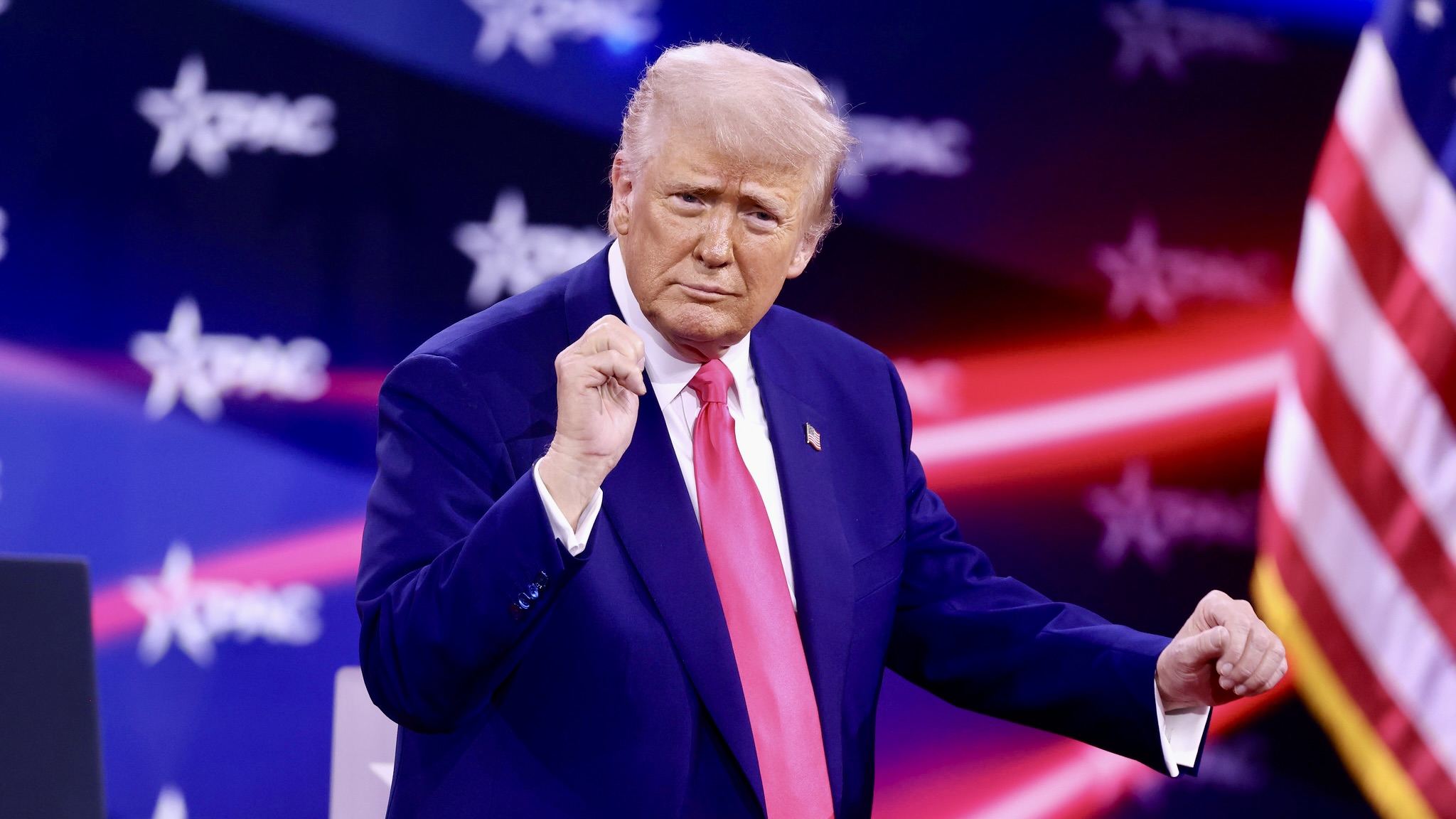
A recent national survey reveals that nearly half of Americans now label former President Donald Trump as ‘corrupt’, marking a significant political setback as he faces escalating legal challenges. Conducted by YouGov for The Economist and released in February 2026, the poll indicates that 49% of respondents associate this term with Trump, highlighting the impact of ongoing investigations and legal actions against him.
The results emerge during a critical phase of the 2026 election cycle, where public trust and candidate integrity are becoming increasingly important to voters. Independent voters, in particular, are showing a more cautious stance, while Democrats overwhelmingly share the negative view of Trump. This survey’s findings are set against a backdrop of extensive court rulings and testimonies that have influenced public perception of Trump’s actions in office and beyond.
The methodology of the poll involved a nationally representative sample of adult US citizens, with results adjusted for age, gender, race, and education. The margin of error is approximately three percentage points, suggesting that the perception of corruption is a potent issue for Trump, especially as it relates to his legal troubles.
The term ‘corrupt’ carries significant legal and moral implications in American politics, often associated with abuse of power and self-dealing. This perception has been fueled by Trump’s numerous legal challenges since leaving the White House on January 20, 2021.
On May 30, 2024, a jury in the Supreme Court of the State of New York found Trump guilty on 34 felony counts of falsifying business records in the case of People of the State of New York v. Donald J. Trump. The indictment, initiated by the Manhattan District Attorney’s Office, accused Trump of orchestrating a scheme to conceal payments related to hush money during the 2016 election campaign.
In another civil case, Justice Arthur Engoron ruled on February 16, 2024, that Trump and his company engaged in fraudulent activities by inflating asset values to obtain favorable loans and insurance. The court mandated Trump and his co-defendants to pay penalties exceeding $350 million before interest, citing ‘persistent fraud’ under New York law. Trump has denied any wrongdoing and is currently appealing these decisions.
The scrutiny surrounding Trump has been intensified by various formal legal actions. A federal indictment filed on August 1, 2023, accuses him of conspiring to defraud the United States in his efforts to overturn the 2020 election results. This charge references testimonies from former Vice President Mike Pence and other officials who stated that Trump continued to assert claims of widespread fraud despite lacking evidence to support his allegations.
Beyond legal proceedings, Trump’s own recorded statements have played a significant role in shaping public perception. A notable instance occurred on January 2, 2021, when Trump urged Georgia Secretary of State Brad Raffensperger to ‘find 11,780 votes’, a conversation that has since been scrutinized during related investigations. During his testimony in the New York civil fraud case, Trump acknowledged that financial statements included disclaimers but contested allegations of intentional misrepresentation.
As legal documents, video depositions, and public statements become widely available online, voters can access primary sources directly, influencing their opinions on Trump. The perception of corruption threatens to overshadow his policy messaging. While his core supporters remain loyal, the YouGov poll suggests a growing wariness among independent voters, who could play a crucial role in a closely divided electorate.
Responses from Republican leaders have varied. Some support Trump’s claims of selective prosecution, while others caution that continued legal battles could alienate moderate voters. Democratic strategists have capitalized on the polling data, using it to highlight perceived integrity issues in campaign advertisements and fundraising efforts.
Despite these challenges, Trump has historically shown resilience in the face of legal adversity. Following his first indictment in March 2023, his campaign fundraising reportedly surged, indicating that his political brand often thrives on confrontational narratives, framing legal troubles as politically motivated attacks.
As the 2026 election approaches, the question remains whether the ‘corrupt’ label will solidify into a long-lasting electoral liability for Trump. What is evident is that a significant portion of the electorate now associates this term with a former president who continues to be a formidable presence in American politics. For Trump, public opinion may prove as consequential as any verdict delivered in a courtroom.


