The Government of Montenegro has updated its official register of religious communities, revealing that six new groups have been officially recognized, bringing the total number of registered communities to 28. This announcement, made by the Ministry of Human and Minority Rights on March 14, 2024, marks an important development in the country’s religious landscape.
The current record includes 20 communities in the “Book of Evidenced Communities” and eight in the “Book of Registered Communities.” The structure of the Evidenced Communities remains unchanged compared to the 2022 official list. However, the Registered Communities have expanded with the addition of the new groups, which have been established since the last update.
Among the communities listed in the “Book of Evidenced Communities,” which includes those with legal status primarily established under the 1977 Law on the Legal Status of Religious Communities, are the Jehovah’s Witnesses, the Montenegrin Orthodox Church, and the Islamic Community in Montenegro. These groups have been recognized for their legal standing, allowing them to hold property, enter contracts, and represent themselves in legal matters.
In contrast, the “Book of Registered Communities” now features six groups, including the Evangelical Church Crossroads and the Jewish Community of Montenegro, which were already present in the 2022 records. New additions include the Salesian Community of Podgorica, the Buddhist Community of Montenegro, and the Church of Pentecost – known as the Church of All Nations.
The Law on Freedom of Religion or Belief and the Legal Status of Religious Communities, adopted in 2020, established a unified registry and clearly delineated between existing communities and newly founded ones. This law aimed to create an inclusive framework for religious practice while ensuring that all groups are formally recognized.
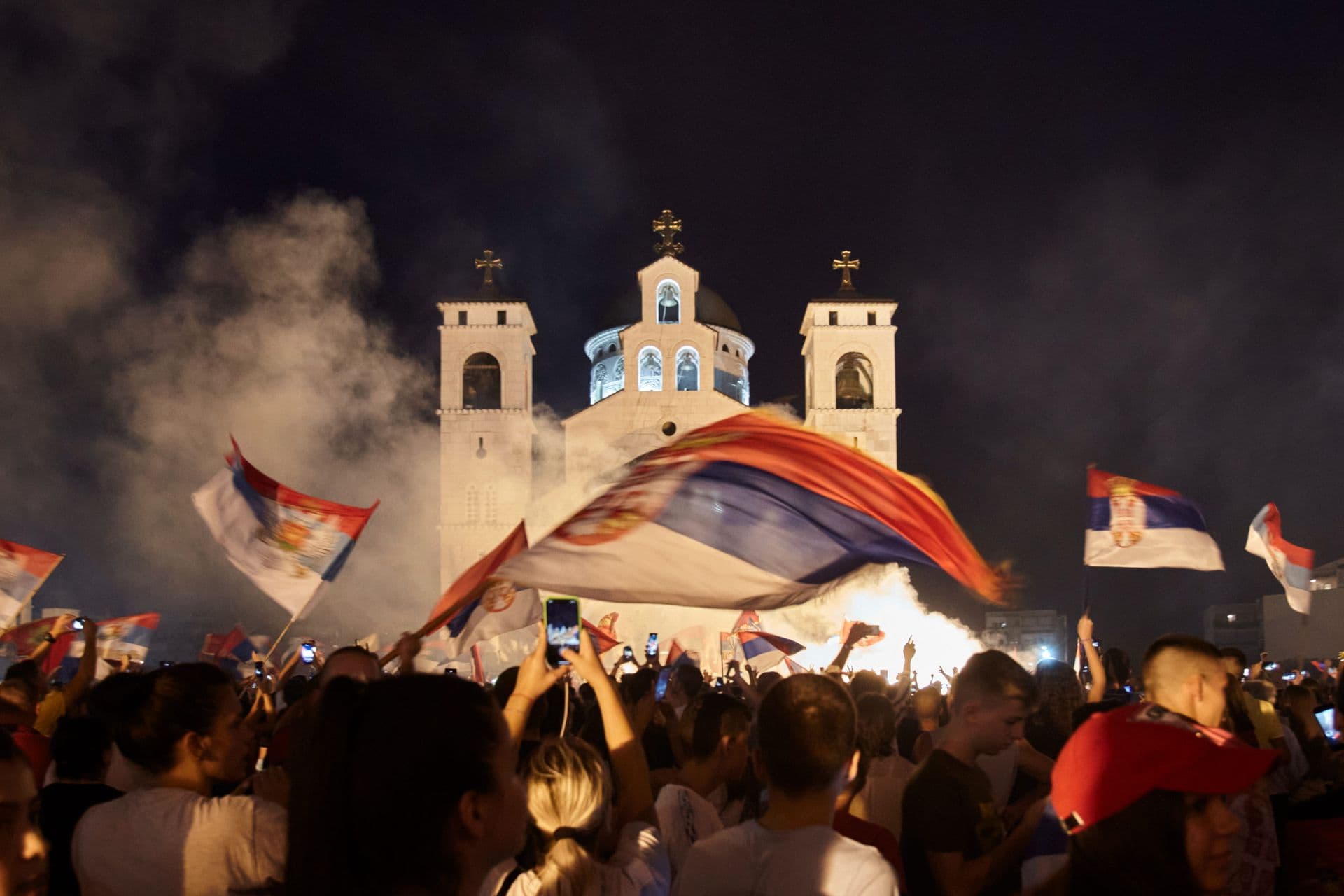
The issue of registration and recognition has been sensitive, particularly for the Serbian Orthodox Church, which raised concerns about historical continuity and legal status. The government has maintained that the process is not a re-registration but rather an administrative recording of existing communities.
Five years after the law’s implementation, the data indicates that the system operates without the deletion of any existing communities, showcasing a gradual increase in the number of newly established groups. This reflects a developing religious pluralism in Montenegro, allowing for a greater diversity of beliefs and practices within the country.
The update signifies a commitment to balance the rights and recognition of different religious groups while navigating historical sensitivities, marking a progressive step for religious freedoms in Montenegro.